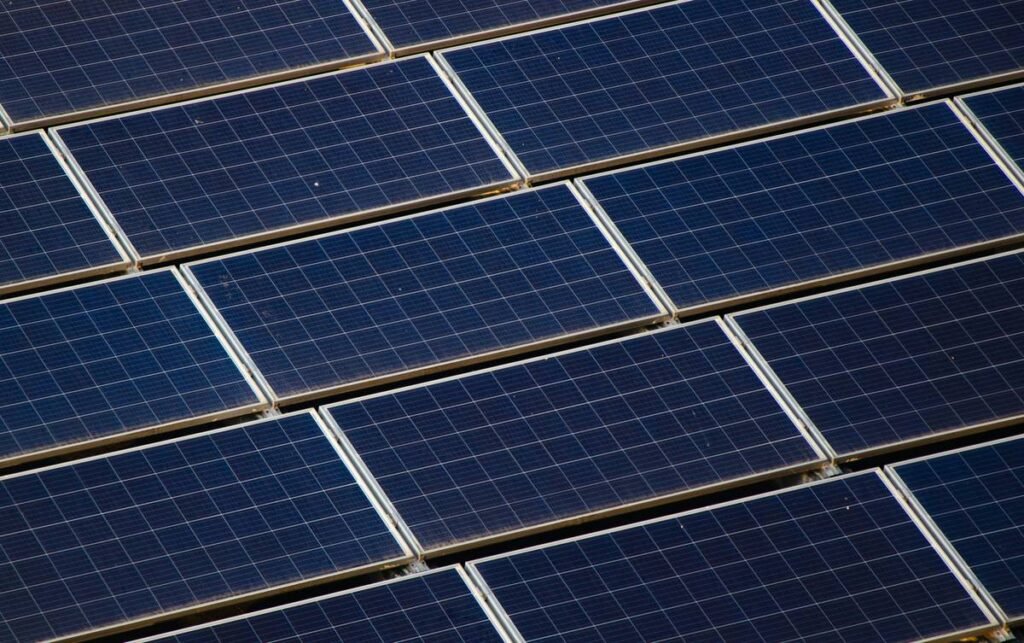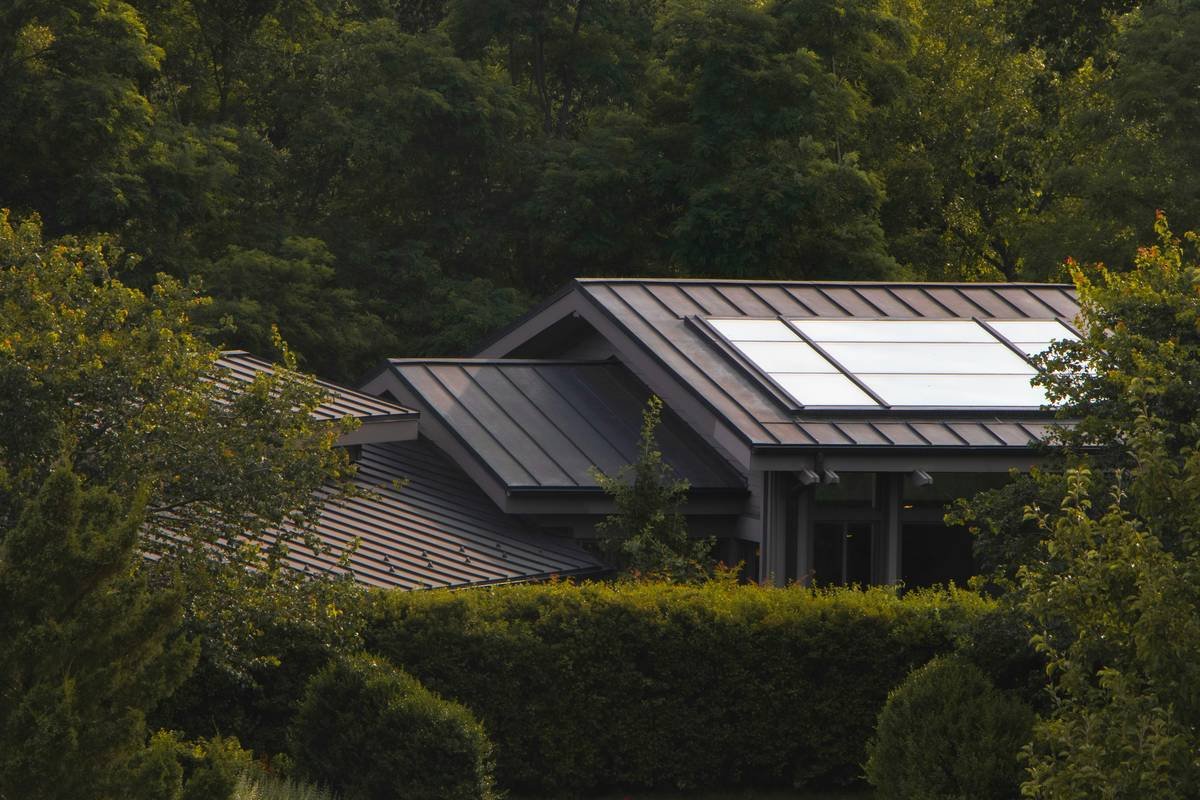
Most homeowners installing solar panels miss out on up to 30% more energy—without adding a single extra panel. Why? Because they stick with outdated, one-sided tech while sunlight bounces unused off their rooftops, driveways, and even white membranes below. But bifacial solar panels on roof systems capture light from both sides, turning wasted photons into real savings. The catch? Most installers won’t tell you when it actually works—and when it’s a waste of money.
Why Traditional Rooftop Solar Falls Short
Monofacial panels only harvest direct sunlight. Period. They ignore diffuse irradiance reflecting off surfaces beneath them—energy that’s literally lying on the ground, unused. On dark asphalt shingles? Fine. But if your roof has light-colored tiles, metal, or you’ve installed a reflective membrane? That’s free wattage evaporating into thin air.
And here’s the brutal truth: many contractors push standard panels because they’re cheaper upfront—and easier to install. Bifacial needs precise mounting height, tilt, and albedo-aware design. Most residential roofs weren’t built with this in mind. So unless someone plans it right, you’re just paying more for a fancy label.
How to Install Bifacial Solar Panels on Roof (Without Wasting Money)
Success hinges on three non-negotiables: elevation, reflectivity, and orientation. Skip one, and your “premium” system underperforms a budget mono setup.
Mount Height Matters More Than You Think
Bifacial panels need at least 12 inches of clearance beneath them. Why? To let reflected light reach the rear cells. Roof-integrated flush mounts? Forget it. You’ll get near-zero rear-side gain. Use elevated racking—like rail systems with standoffs—that create an air gap. Yes, it’s wind-load sensitive. Yes, it costs more. But without it, you’re just buying expensive monofacial panels in disguise.
Albedo Isn’t Optional—It’s Your Secret Fuel
Albedo = surface reflectivity. Concrete? ~0.35. White EPDM roofing? Up to 0.80. Grass? A pathetic 0.20. If your roof decking or nearby surfaces are dark, bifacial gains vanish. Pro tip: pair your array with light-colored gravel ballast or a white TPO membrane. Some early adopters even paint roof sections beneath panels with high-albedo coatings—unconventional, but mathematically sound.
Avoid Shading Like It’s Toxic
Rear-side performance collapses if even partial shadows hit the underside. Vents, AC units, parapets—they all cast rear shadows most designers ignore. Use drone-based 3D modeling before installation. Better yet, simulate annual bifacial gain with software like PVsyst. Guesswork loses you ROI.
| Installation Factor | Minimum Requirement for Bifacial Gain | Poor Choice (Avoid) |
|---|---|---|
| Mount Height | 12+ inches above roof surface | Flush-mounted or integrated tiles |
| Surface Albedo | 0.40 or higher (white/metal/light stone) | Dark shingles, wood, or green roofing |
| Tilt Angle | 15°–30° optimal for rear exposure | Flat (<5°) or steep (>40°) without modeling |
| Shading Below | Clean, unobstructed under-panel zone | Vents, pipes, or equipment within 3 ft |
The Industry Secret No One Admits
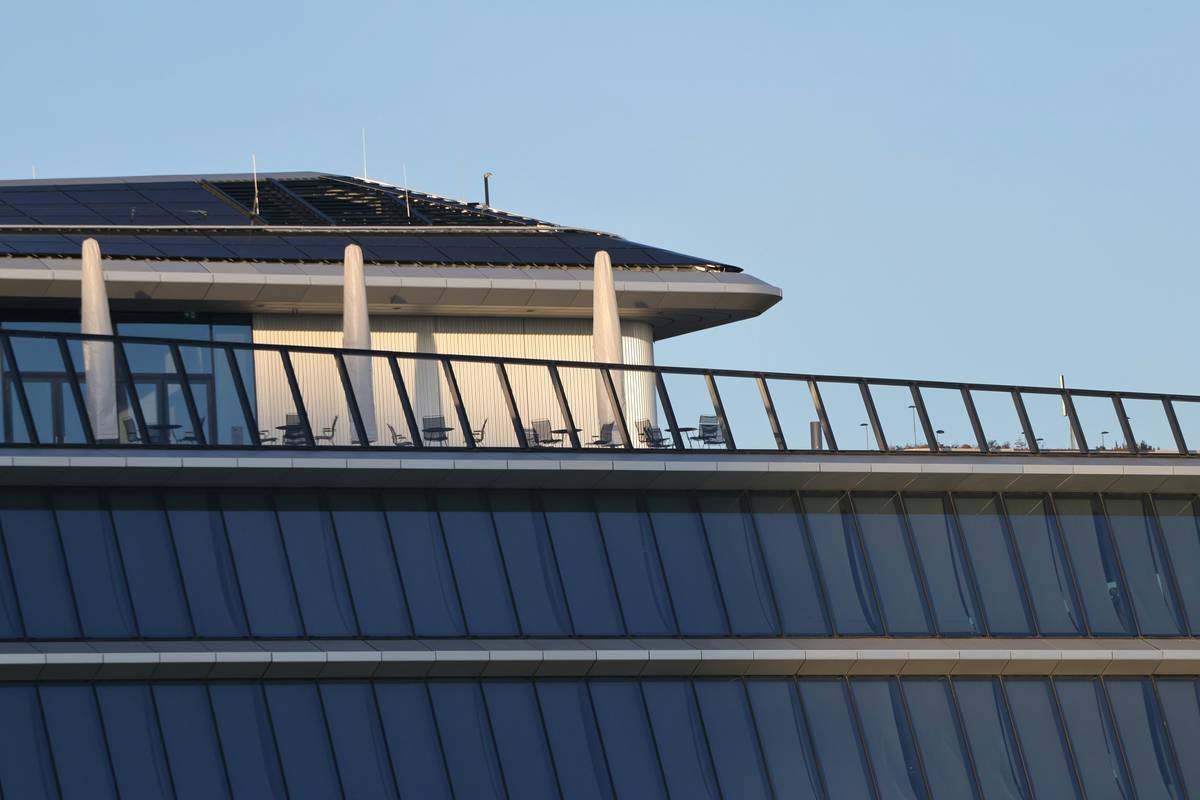
Here’s what manufacturers won’t say: bifacial gain on standard sloped residential roofs averages just 4–7%. Not the 20–30% touted in desert-ground-mount case studies. Why? Tight rafters, dark roofing, and minimal clearance kill performance. But—but—if you combine bifacial panels with a standing-seam metal roof and elevated rails? Suddenly, you’re hitting 12–15% real-world gain. The secret isn’t the panel—it’s the ecosystem. Most quotes treat bifacial as a drop-in upgrade. It’s not. It’s a system redesign. And until your installer audits your roof’s full optical environment, you’re gambling.
Frequently Asked Questions
Do bifacial solar panels work on flat roofs?
Yes—if mounted tilted on racks with clearance and over high-albedo surfaces. Flat, flush installations yield negligible rear gain.
Are bifacial panels worth the extra cost for homes?
Only if your roof meets elevation and reflectivity criteria. Otherwise, premium pricing isn’t justified by actual output increases.
Can snow improve bifacial panel performance?
Temporarily, yes—snow has high albedo (~0.85). But accumulation blocks rear cells. Net winter gain is often offset by cleaning challenges.