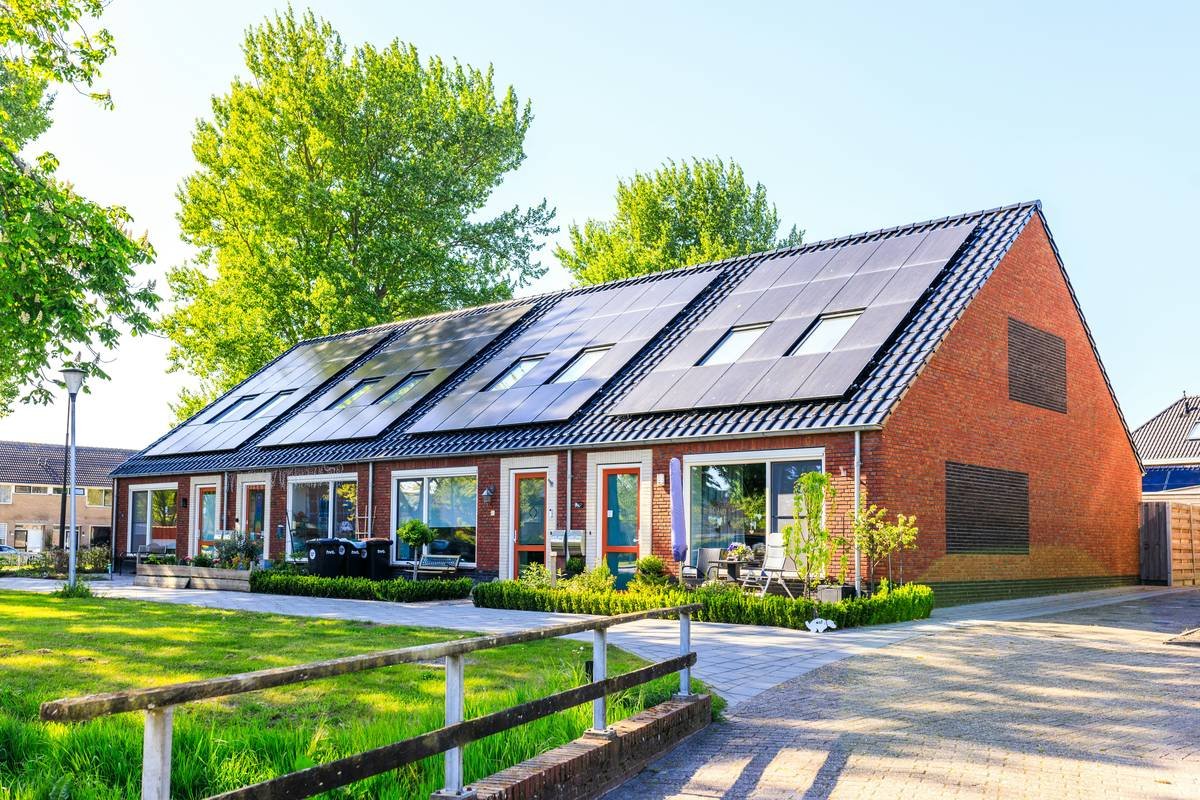
Most homeowners install solar panels expecting big savings—but end up frustrated when output plateaus after a few years. Standard monofacial panels collect sunlight only from the front, wasting reflected light bouncing off your roof, driveway, or snow. And with rising electricity rates, underperforming systems feel like a betrayal. The solution? hjt bifacial solar panel efficiency leverages both sides of the cell to harvest up to 30% more energy—without needing extra roof space.
Why Traditional Solar Panels Can’t Keep Up
Monocrystalline and even standard polycrystalline panels are stuck in a one-sided mindset. They ignore albedo—the reflected sunlight from surrounding surfaces. Install one over dark shingles? You’re losing 15–25% potential yield right there. And degradation accelerates faster in hot climates because conventional cells lack the thermal resilience built into newer architectures.
And here’s the kicker: most installers still push legacy tech because it’s cheaper upfront—not because it delivers long-term value.
How to Deploy hjt bifacial solar panel efficiency for Maximum ROI
Heterojunction Technology (HJT) paired with bifacial design isn’t just incremental—it’s structural. But simply slapping on bifacial panels won’t cut it. You need precision engineering from racking to orientation.
Optimize Mounting Height and Tilt
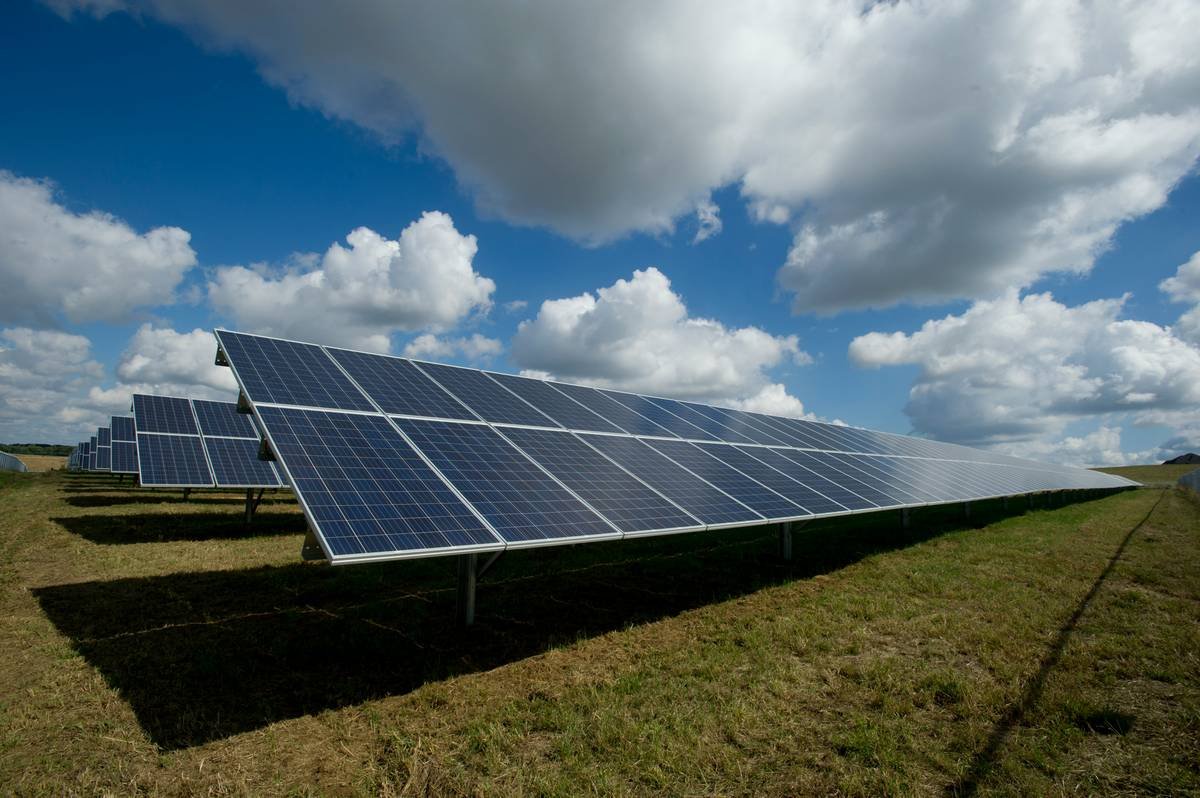
Bifacial gain scales with ground clearance. Below 12 inches? Minimal rear-side irradiance. Aim for 24–36 inches above reflective surfaces. Tilt angles between 15°–30° maximize dual-side exposure without casting self-shadows.
Select High-Albedo Ground Surfaces
White gravel, light concrete, or even fresh snow can boost rear-side yield by 10–20%. Grass? Barely registers. Pro tip: pair your array with a white membrane roofing system if you’re re-roofing anyway.
Use Frameless or Low-Frame HJT Modules
Frames cast shadows on the rear glass. Frameless bifacial HJT panels eliminate this bottleneck—and reduce microcrack risks during thermal cycling.
| Panel Type | Front Efficiency | Bifacial Gain Potential | 25-Year Degradation | Best Use Case |
|---|---|---|---|---|
| Standard Monocrystalline | 20–22% | 0% | ~20% | Shaded urban roofs |
| P-Type Bifacial | 21–22.5% | 8–12% | ~22% | Flat commercial rooftops |
| HJT Bifacial | 23.5–25.5% | 15–30% | ~8–10% | Snow-prone or high-albedo residential sites |
The Industry Secret No One Talks About
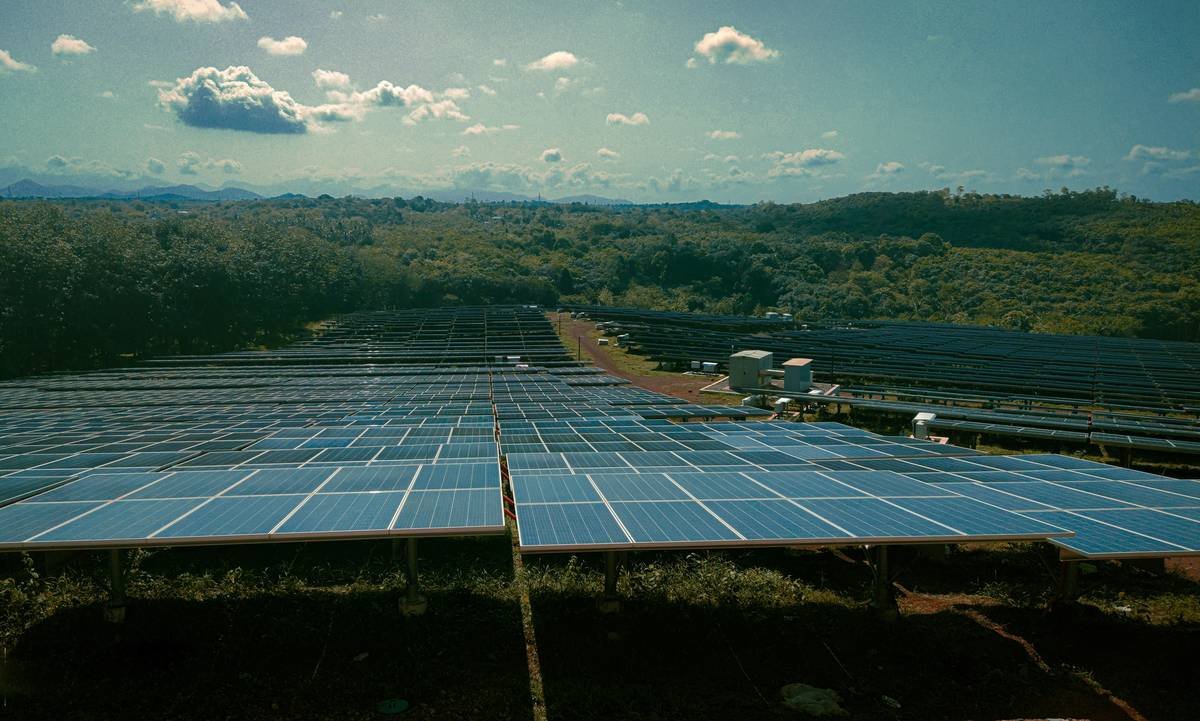
Manufacturers quietly bin-grade HJT cells—and the “premium” residential modules often contain B-grade cells originally destined for utility-scale farms. Why? Because home systems rarely undergo full I-V curve tracing post-install. The math is simple: you pay top dollar but get mid-tier performance unless you demand certified flash reports. Insist on EL imaging and batch traceability. Otherwise, you’re gambling on efficiency claims that look great on paper but fade fast in real-world heat cycles.
FAQ
Do hjt bifacial solar panel efficiency gains work in cloudy climates?
Yes—diffuse light still reflects off surfaces. While gains shrink to 8–12%, HJT’s superior low-light response often outperforms standard panels even without strong direct sun.
Can I retrofit existing mounts for bifacial HJT panels?
Only if your current racking provides ≥24″ clearance and minimal rear shading. Most legacy rails sit too low. New elevated systems are usually required.
Are hjt bifacial solar panel efficiency warranties longer?
Not automatically. But leading brands offer 30-year linear performance warranties (vs. 25 for standard) due to lower annual degradation—verify the fine print.