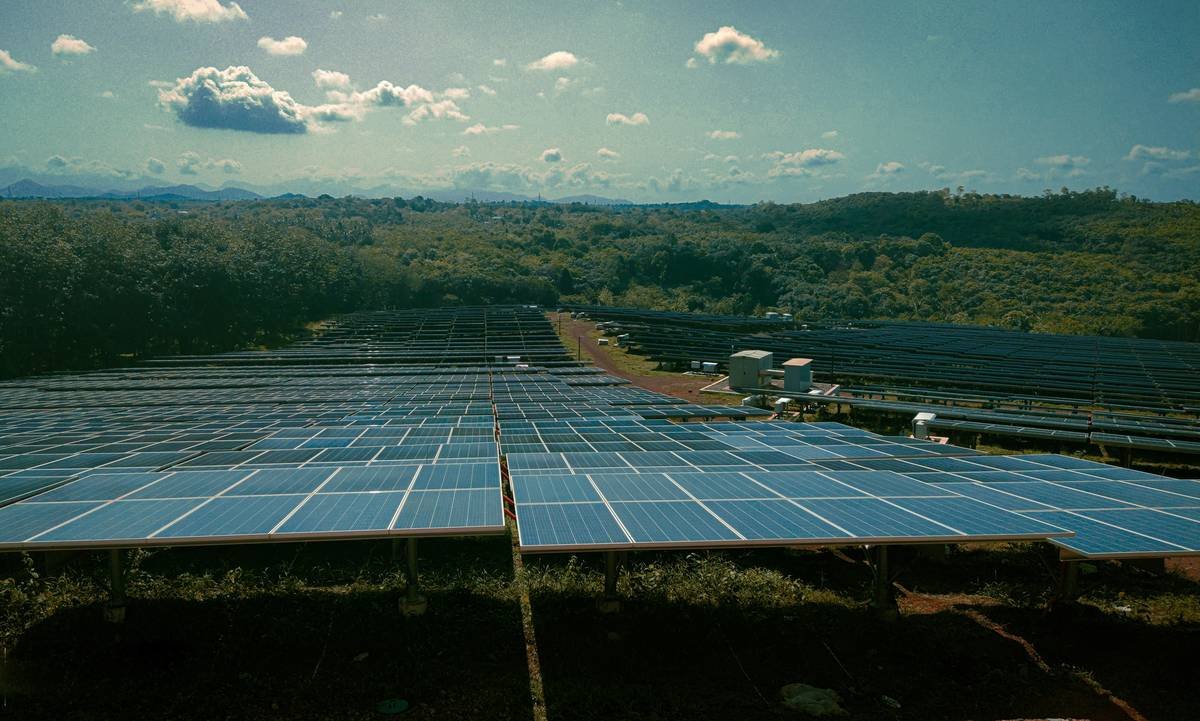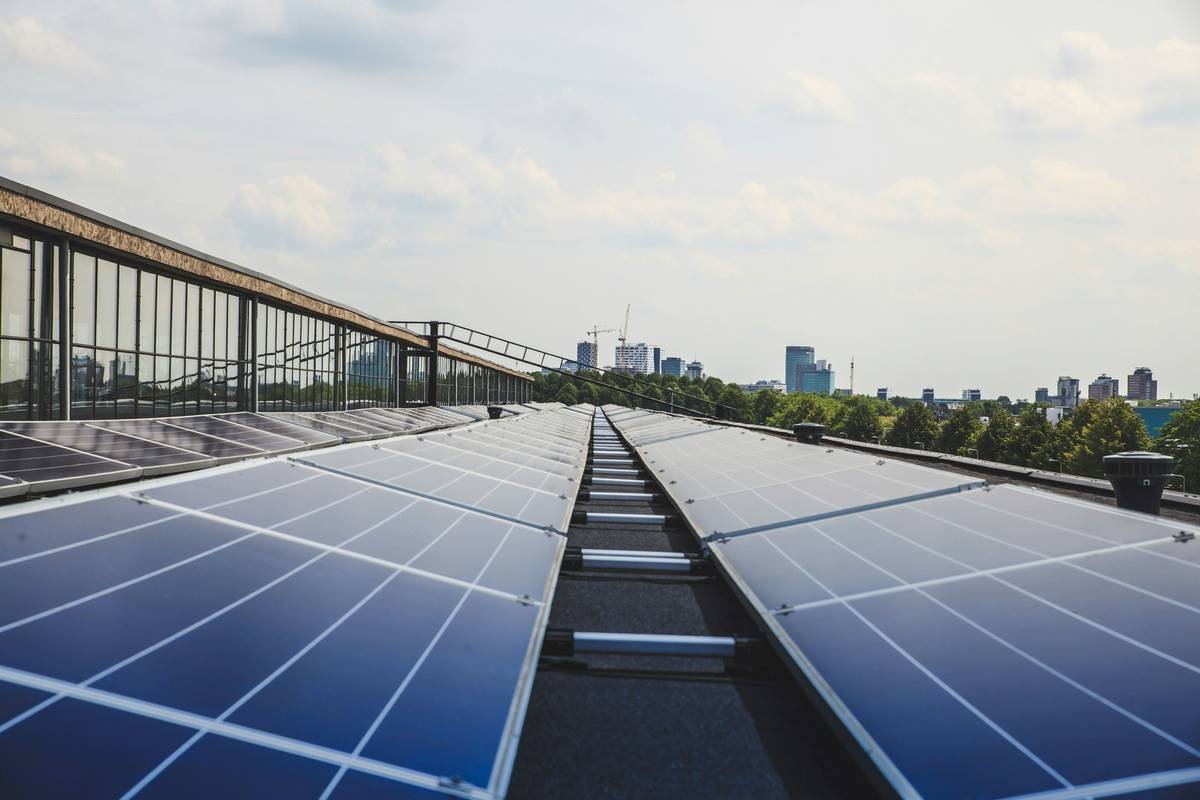
Homeowners invest in solar expecting maximum yield—but standard monofacial panels leave 20%+ of potential energy literally lying on the ground. The industry pushes “good enough” solutions while ignoring one critical variable: reflected light. Enter Jinko bifacial solar panels efficiency—the real game-changer obscured by lazy installation practices and outdated performance models.
The Core Problem: One-Sided Thinking in a Two-Sided World
Most rooftop systems are engineered like relics from 2010. They treat sunlight as a top-down phenomenon. But albedo—light bouncing off white roofs, concrete, or even snow—can boost output significantly. Standard panels waste it. They’re blind to what’s beneath them.
And here’s the kicker: many installers slap bifacial modules onto dark shingle roofs… then wonder why gains are marginal. Physics doesn’t care about marketing brochures. If your mounting doesn’t account for rear-side exposure, you’re just paying a premium for unused capability.
jinko bifacial solar panels efficiency: Installation That Actually Works
Forget plug-and-play myths. Real-world gains demand deliberate design choices. Below is what separates token adoption from true performance uplift.
Surface Matters More Than You Think
A white TPO roof can reflect up to 85% of incident light. Dark asphalt? Under 10%. Your panel sees that difference—and your kWh meter will too. Don’t assume bifacial = automatic win. It’s contextual.
Elevation & Tilt: The Hidden Levers
Mount height directly influences rear irradiance. Raise panels at least 12 inches above reflective surfaces. Too low? Rear cells get shaded by racking. Too high? Wind loads spike. There’s a sweet spot—and most residential setups miss it.
Tracking vs. Fixed: When Bifacial Shines Brightest
Single-axis trackers paired with bifacial modules can push annual yield 30%+ over fixed monofacial systems. But in urban settings? Often impractical. Know your site constraints before chasing theoretical peaks.
| Installation Factor | Suboptimal Approach | High-Yield Strategy |
|---|---|---|
| Ground Surface | Dark asphalt shingles | White membrane, gravel, or light concrete |
| Mount Height | Flush-mounted rails | Elevated racks (12–36 inches) |
| Racking Color | Black anodized aluminum | White-painted or reflective-coated rails |
| Array Spacing | Tight rows causing self-shading | Optimized pitch to minimize front-to-back shadowing |

The Industry Secret: Performance Modeling Lies
Here’s what manufacturers won’t highlight: standard PVWatts simulations underreport bifacial gain by 40–60% because they default to generic “ground cover” assumptions. Real data from Arizona desert rooftops with Jinko Tiger Neo bifacial panels showed 27% rear gain—not the 12% predicted. Why? Because simulators don’t account for morning dew acting as a temporary mirror, or seasonal snow persistence.
But—and this is critical—you need inverter headroom. Bifacial surges during high-albedo conditions (think midday summer on fresh concrete) can push DC voltage beyond typical clipping thresholds. Oversize your inverter by 10–15% DC/AC ratio if you’re serious about capturing peak bifacial moments.
FAQ
Do Jinko bifacial panels work on residential roofs?
Yes—but only if your roof is light-colored or you use elevated mounting over reflective material. Dark roofs negate most rear-side gains.
How much more do they cost than standard panels?
Typically 8–12% higher upfront. But with proper installation, the LCOE drops faster due to higher lifetime yield per watt.
Are they worth it in cloudy climates?
Surprisingly, yes. Diffuse light still reflects. Nordic studies show 15%+ annual gain over monofacial—even with fewer direct sun hours.