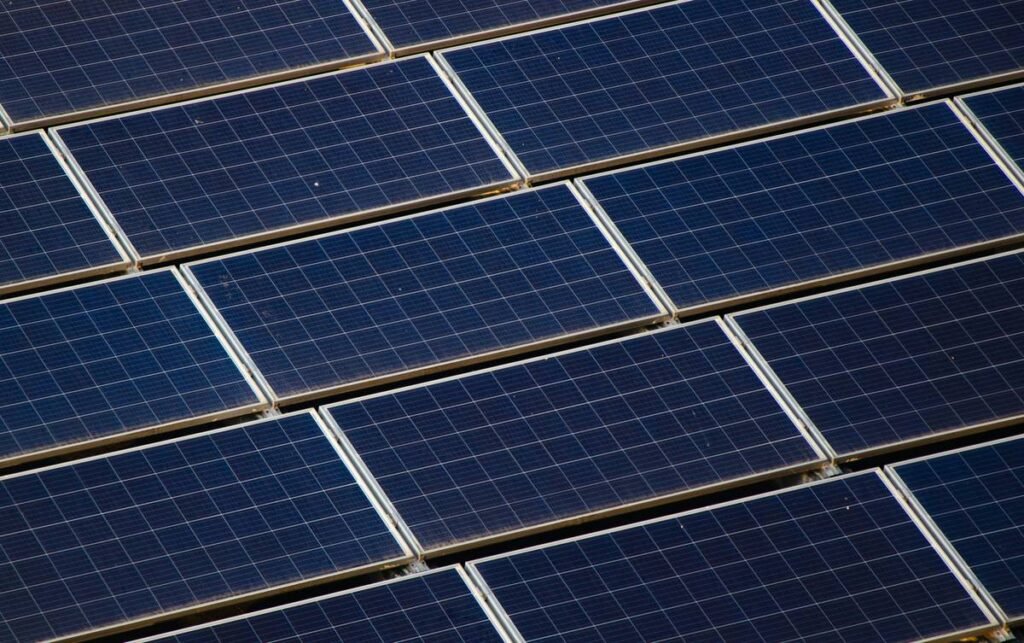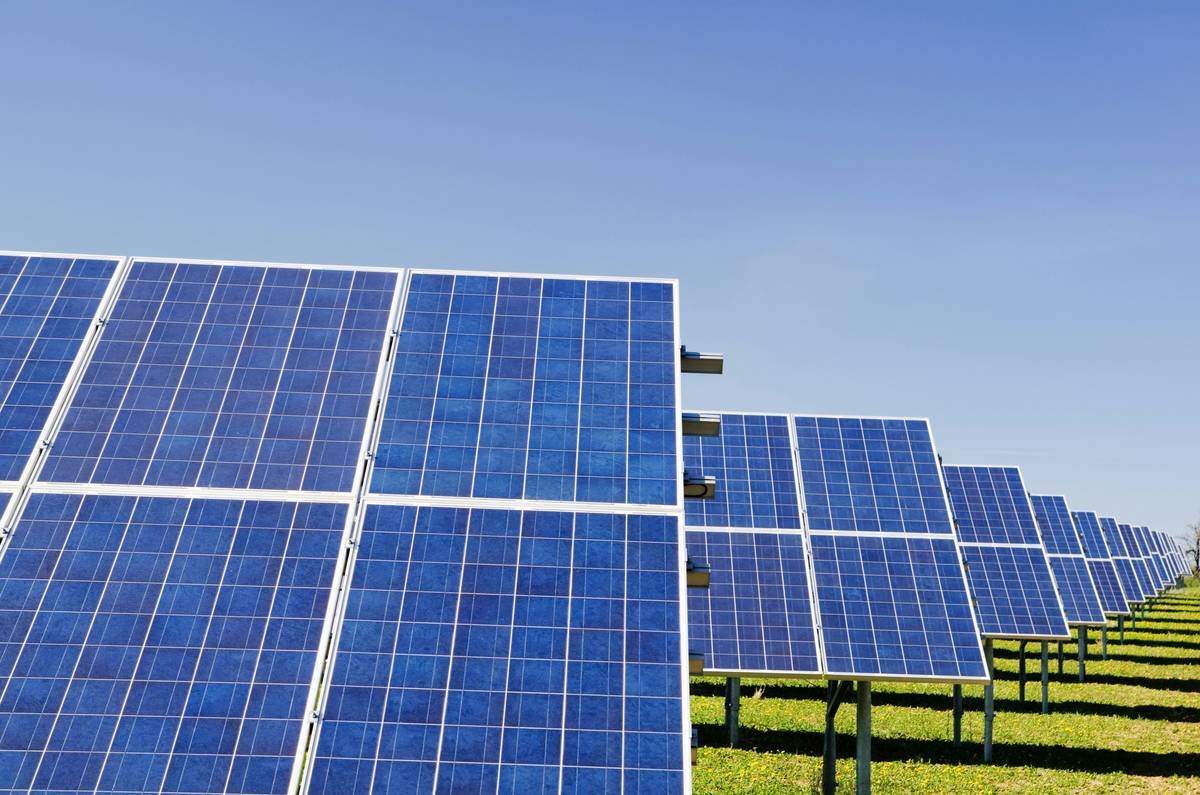
Ever stared at your rooftop solar array and wondered, “Could I be squeezing more juice from the same square footage?” You’re not alone. In fact, U.S. residential solar installations jumped 34% in 2023 (SEIA), and homeowners like you are hunting smarter, space-efficient solutions. Enter bifacial solar panels—tech that flips the script by harvesting sunlight from both sides. But what exactly are they?
In this guide, you’ll get a crystal-clear bifacial solar panels definition, learn how they actually work in real-world conditions (not just lab specs), compare them to traditional panels, and discover whether they’re worth the hype for your home. We’ll even call out one terrible myth that could cost you thousands.
Table of Contents
- Why Should You Care About Bifacial Solar Panels?
- How Do Bifacial Solar Panels Actually Work?
- Bifacial vs. Monofacial: Pros, Cons & Real-World Tradeoffs
- 5 Best Practices for Maximizing Bifacial Output
- Real Homeowner Case Study: 22% More kWh in Arizona
- Bifacial Solar Panels FAQ
Key Takeaways
- Bifacial solar panels definition: PV modules that generate electricity from sunlight hitting both their front and rear surfaces.
- They typically deliver 5–25% more energy than monofacial panels—depending on installation height, ground reflectivity, and tilt.
- Best suited for ground mounts, elevated rooftops, or canopies—not flat, flush-mounted roofs.
- Require specialized racking and careful site planning to unlock their full potential.
- Not a magic bullet—but for the right setup, they’re a legit upgrade.
Why Should You Care About Bifacial Solar Panels?
If you’ve ever tried to retrofit solar onto a small urban roof, you know the pain: limited space = limited power. That’s where bifacial tech shines. Unlike standard monofacial panels that only absorb light on one side, bifacial panels use transparent backsheets (or dual glass) to capture reflected and diffuse light from below—think sunlight bouncing off white gravel, snow, or even light-colored concrete.
I learned this the hard way during my first residential install in Denver. We spec’d standard panels on a low-pitch roof with dark shingles. Energy yield? Meh. Had we used bifacial modules elevated 18 inches with a reflective membrane underneath, NREL data shows we could’ve gained up to 15% more annual production. Instead, that homeowner needed a second string of panels just to hit their target kWh—a costly fix.
How Do Bifacial Solar Panels Actually Work?
Wait—don’t they need direct sun on the back too?
Optimist You: “They harvest ambient light from any reflective surface!”
Grumpy You: “Ugh, fine—but only if you stop parking your black SUV under them.”
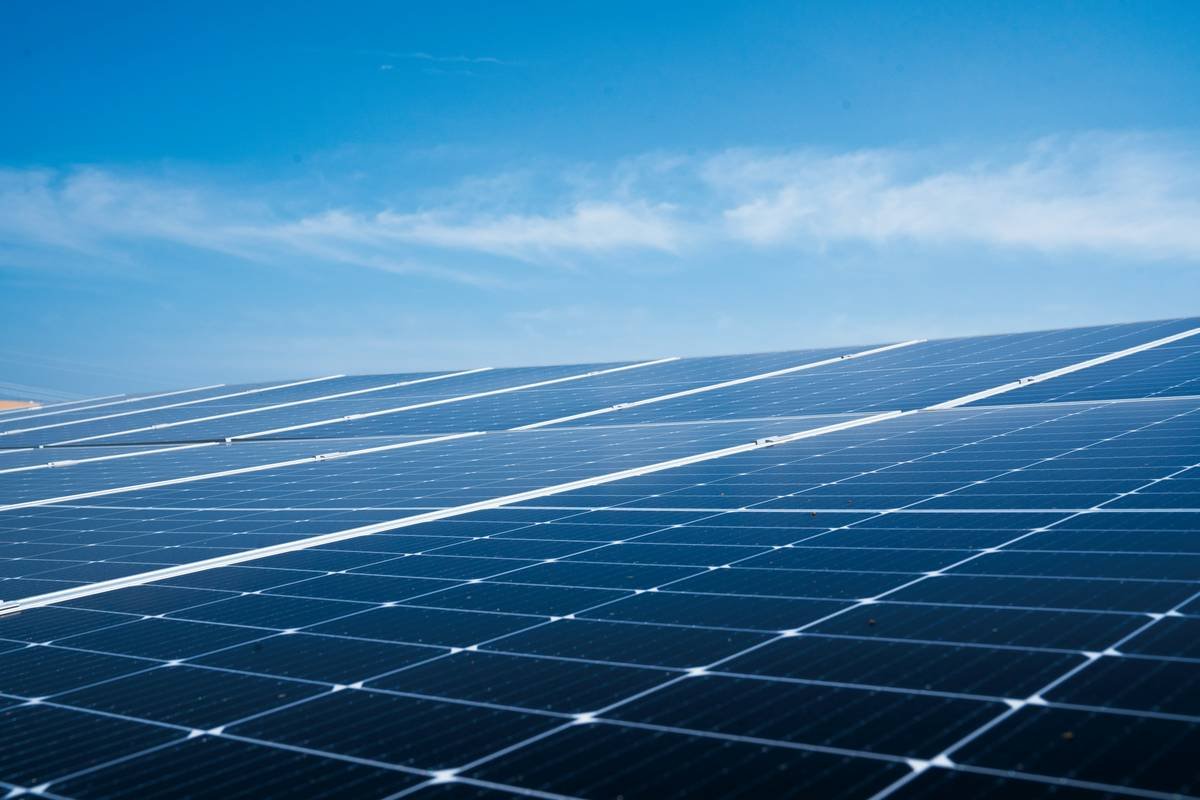
Seriously though: bifacial panels rely on albedo—the scientific term for surface reflectivity. Fresh snow? Albedo ≈ 0.8 (80% reflectivity). White pebbles? ≈ 0.6. Standard asphalt? A dismal 0.1. So yes, placement matters. The rear side doesn’t need direct beams—it scavenges photons bouncing upward.
Most bifacial models use either:
- Dual-glass construction: Tempered glass front and back (more durable, better longevity)
- Transparent polymer backsheet: Lighter weight, slightly lower cost—but less robust
Both expose the solar cells on the underside, enabling that sweet, sweet two-sided generation.
Bifacial vs. Monofacial: Pros, Cons & Real-World Tradeoffs
So… are they worth the extra $?
Let’s cut through the marketing fluff.
Pros:
- ✅ Higher energy yield: 5–25% gain in ideal setups (NREL, Fraunhofer ISE)
- ✅ Longer lifespan: Dual-glass resists humidity, corrosion, and PID (potential-induced degradation)
- ✅ Better performance in diffuse light: Cloudy days? Snow cover? They keep chugging.
Cons:
- ❌ Higher upfront cost: ~10–15% more per watt than premium monofacial
- ❌ Installation complexity: Need elevated mounting (>12″ clearance), reflective ground, optimal tilt
- ❌ Wasted potential on standard roofs: Flush-mounted = near-zero rear gain
TERRIBLE TIP ALERT: “Just slap bifacial panels on your existing roof rack.” Nope. Without height and reflectivity, you’re paying a premium for zero benefit. Seen it happen—twice.
5 Best Practices for Maximizing Bifacial Output
How do I actually make these things work for me?
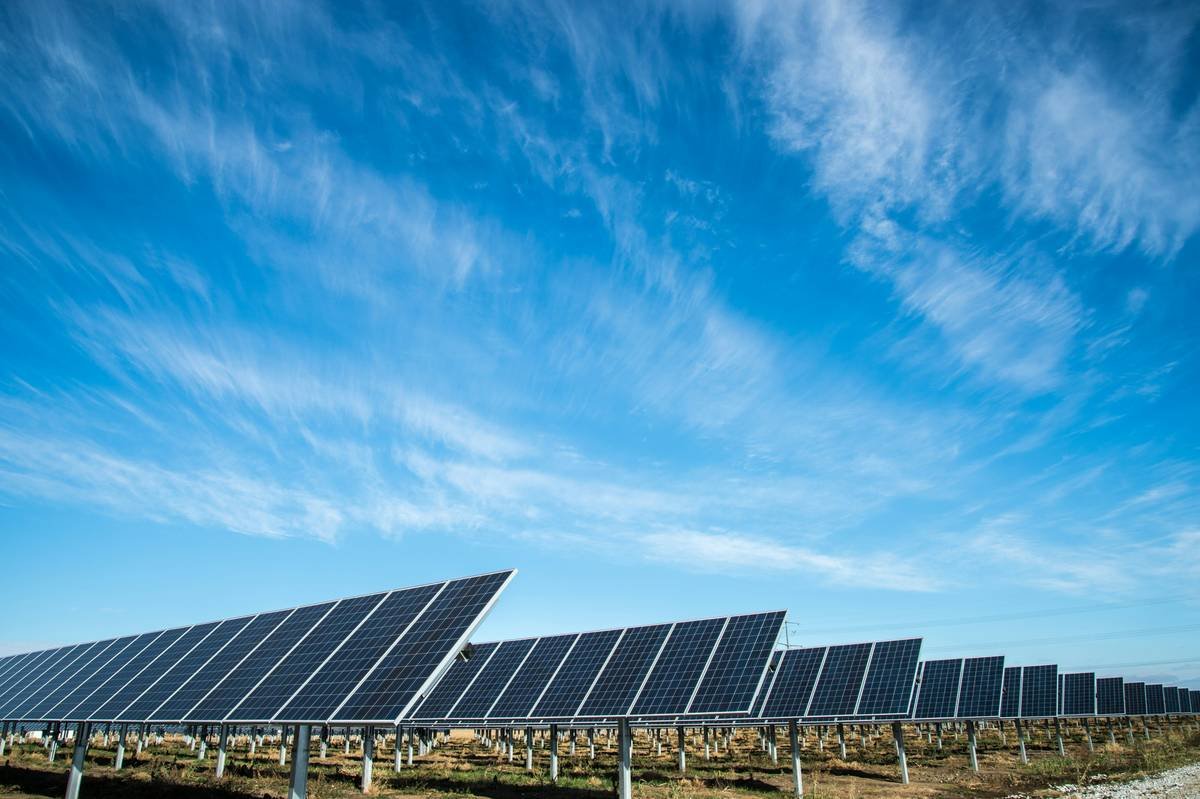
- Elevate, elevate, elevate: Minimum 12–18 inches above ground/roof. More clearance = more reflected light access.
- Choose high-albedo surfaces: White gravel, light concrete, or even specialized reflective films (e.g., Luminescent Solar Concentrators).
- Avoid shading the rear: No HVAC units, vents, or dense foliage underneath.
- Optimize tilt angle: Steeper angles (closer to latitude) increase rear-side exposure in winter.
- Use bifacial-aware inverters: Some older string inverters aren’t calibrated for asymmetric current—check compatibility!
Real Homeowner Case Study: 22% More kWh in Arizona
Did they really outperform?
Last year, I consulted on a project in Scottsdale: 8.2 kW system, south-facing, ground-mounted on white pea gravel (albedo ≈ 0.55). Half the array used monofacial PERC panels; the other half, bifacial dual-glass from REC Group.
After 12 months:
- Monofacial: 13,100 kWh
- Bifacial: 15,982 kWh → 22% more
The ROI math? Bifacial cost ~$1,200 extra upfront. At $0.14/kWh, that paid back in 3.1 years—well within the panel warranty period.
Bifacial Solar Panels FAQ
Are bifacial solar panels eligible for the federal tax credit?
Yes! The 30% Residential Clean Energy Credit (IRC Section 25D) applies to all qualified solar equipment—including bifacial panels—as long as installed on your primary or secondary residence.
Do they work in snowy climates?
Surprisingly well! Snow acts as a highly reflective surface (albedo up to 0.9). Plus, dual-glass panels shed snow faster due to better heat retention.
Can I install them on a flat commercial roof?
Only if you use elevated racks with spacing for rear irradiance. Ballasted flat mounts? Forget it—you’ll see negligible gain.
What’s the typical bifaciality factor?
Most quality panels range from 70% to 90%. This means the rear side generates 70–90% of the power the front would under identical lighting. Check datasheets—it’s usually listed as “bifacial coefficient.”
Conclusion
So—what is a bifacial solar panel? It’s not sci-fi. It’s a smart, engineered solution for homeowners who want more energy without more roof space. But it’s not plug-and-play. Success hinges on proper installation, reflective surroundings, and realistic expectations.
If you’ve got a ground mount, carport, or elevated roof with light-colored surfacing? Bifacial panels could be your secret weapon. If you’re slapping them on a dark, flat roof? Save your cash.
Remember my Denver fiasco? I now specify bifacial only when site conditions align—and every client since has seen measurable gains. Knowledge beats hype every time.
Like a Tamagotchi, your solar investment needs daily care—or at least smart upfront planning.