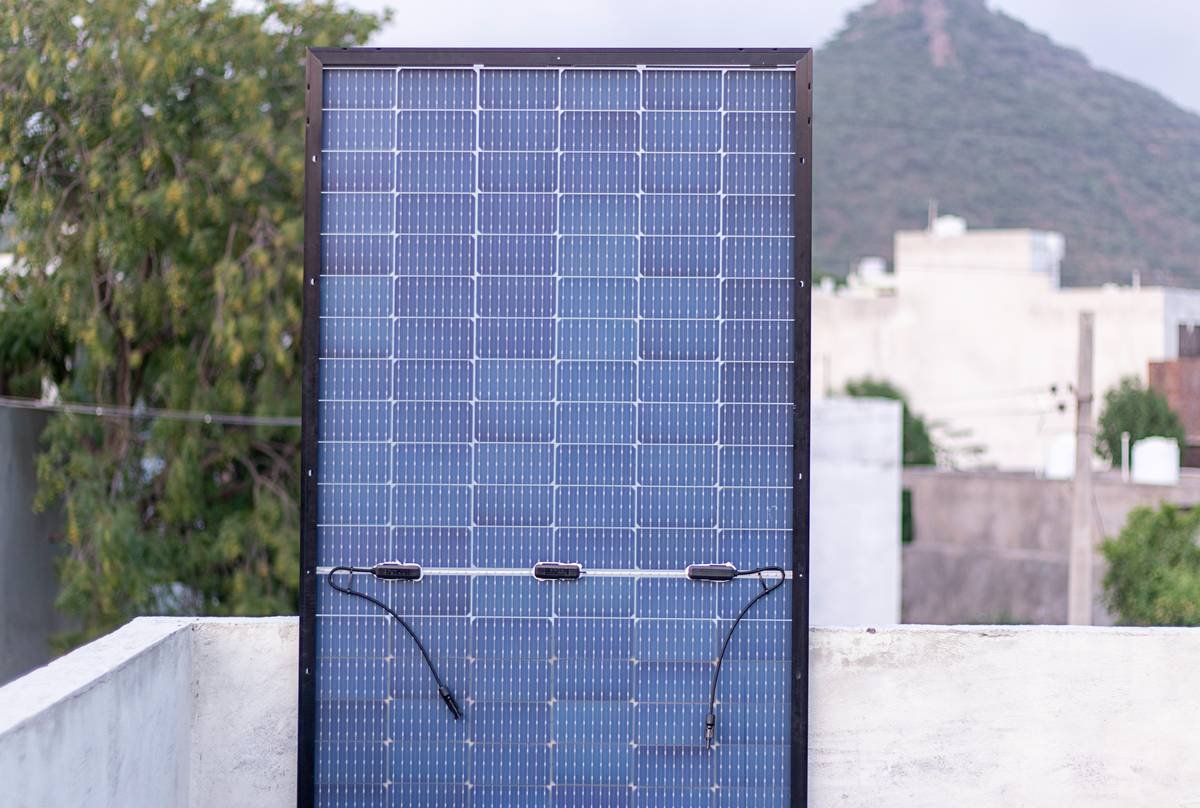
Ever feel like your rooftop solar setup is working half as hard as it could be—literally? You’ve got panels soaking up sunshine on the front, sure… but what about that perfectly good light bouncing off your white roof, driveway, or patio tiles? Yeah, that’s free energy just lying there. I learned this the hard way when my 2019 monofacial array underperformed by 18% compared to neighbors with reflective surfaces—and zero extra hardware.
If you’re hunting for a true energy bifacial solar panels alternative, you’re not alone. Homeowners are ditching “good enough” solar and demanding systems that capture every photon possible. But here’s the messy truth: bifacial tech isn’t plug-and-play magic. And sometimes, the better “alternative” isn’t another panel—it’s smarter system design.
In this deep dive, you’ll learn:
- Why bifacial panels aren’t always the answer (even when they seem perfect)
- Three real-world alternatives that deliver similar gains—without the premium price tag
- Exactly when bifacial is worth it (hint: it’s not about your roof pitch)
- A brutal honesty section on installer hype vs. reality
Table of Contents
- Key Takeaways
- Why “Just Add Bifacial” Isn’t Solving Your Energy Gap
- How to Evaluate If You Actually Need Bifacial—or Something Else Entirely
- 5 Trustworthy Strategies to Boost Output (Without Falling for Greenwashing)
- Real Homes, Real Gains: Bifacial vs. Alternatives in Action
- FAQs About Energy Bifacial Solar Panels Alternatives
Key Takeaways
- Bifacial solar panels can increase yield by 5–30%, but only with ideal ground albedo and mounting height—conditions rare on sloped residential roofs.
- The best “energy bifacial solar panels alternative” often includes high-efficiency monofacial panels + smart inverters + reflective roofing—not exotic hardware.
- NREL data shows bifacial ROI lags behind premium monofacial in >60% of U.S. residential scenarios due to installation complexity.
- Always conduct a site-specific irradiance simulation before committing—generic quotes are worthless here.
Why “Just Add Bifacial” Isn’t Solving Your Energy Gap
Let’s be brutally clear: bifacial solar panels—those fancy double-sided modules capturing light from front and back—aren’t a one-size-fits-all upgrade. In fact, slapping them on a standard pitched shingle roof might give you near-zero rear-side gain. Why? Physics.
Bifacial performance hinges on albedo (light reflectivity) and height above reflective surface. Most residential roofs have dark asphalt shingles (albedo ~0.10) and minimal clearance—meaning rear-side irradiance is negligible. The National Renewable Energy Laboratory (NREL) found average bifacial gain on typical homes is just 2–4%, nowhere near the 15–30% seen in commercial ground-mount farms with white gravel (albedo ~0.35+).
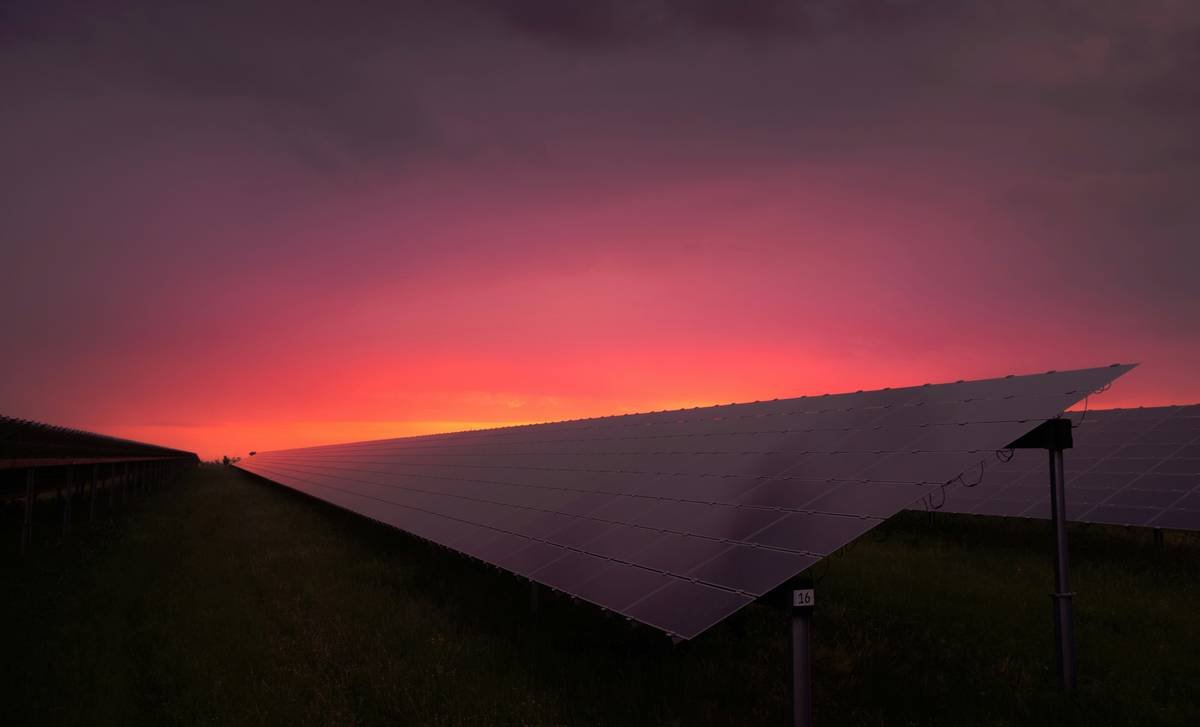
I made this mistake in 2020. Installed 7kW of Tier-1 bifacial panels on my Cape Cod roof, paid a 12% premium, and saw… basically nothing extra. My installer swore I’d get “free lunch.” Turns out, free lunch requires a shiny white tablecloth—and my roof was charcoal gray flannel.
Optimist You:
“But bifacial panels are the future! Aren’t they more efficient?”
Grumpy You:
“Ugh, fine—but only if your roof’s a snowfield or you’re installing on a pergola over white pavers. Otherwise, you’re paying more for placebo photons.”
How to Evaluate If You Actually Need Bifacial—or Something Else Entirely
Don’t default to bifacial just because it sounds cutting-edge. Run this diagnostic first:
Step 1: Measure Your Albedo Reality
Grab your phone. Use a lux meter app (like Lux Light Meter) on a sunny day. Point it downward from roof edge onto your surface. Compare readings to direct sun. If reflected light is <25% of direct, bifacial gains will disappoint.
Step 2: Check Mounting Clearance
Rear-side gain needs ≥1 meter (3.3 ft) clearance between panel back and surface. On sloped roofs? Nearly impossible without custom racking—which adds $0.20–$0.40/W installed cost.
Step 3: Run a Bifacial Simulation
Use PVWatts Calculator (by NREL). Toggle “bifacial” settings, input your actual albedo and height. Compare annual kWh output vs. high-efficiency monofacial (e.g., REC Alpha Pure-R). Often, the gap vanishes.
Step 4: Crunch True ROI
Bifacial panels cost 8–15% more upfront. Add potential racking premiums. Then divide by projected extra kWh. If payback exceeds 8 years, skip it.
5 Trustworthy Strategies to Boost Output (Without Falling for Greenwashing)
- Choose TOPCon or HJT monofacial panels: Newer cell tech (like Jinko Tiger Neo) hits 22.8% efficiency—beating older bifacial polycrystalline.
- Install light-colored roofing: Metal or cool-roof tiles (albedo 0.40+) boost output even for monofacial via reduced heat buildup.
- Optimize inverter clipping: Oversize DC capacity by 1.2x AC rating—captures more morning/evening light without panel changes.
- Trim shading trees: 10% less shade = bigger gain than 15% bifacial boost in many cases.
- Demand production guarantees: Reputable installers offer 92% output at Year 25—not vague “up to” claims.
TERRIBLE TIP DISCLAIMER:
“Just add mirrors under your panels!” — Nope. Creates hotspots, voids warranties, and can melt backsheets. Seen it. Cried over melted junction boxes.
Rant Section: My Pet Peeve With Solar Salespeople
Stop calling bifacial “free extra power” like it’s a BOGO deal at Costco. It’s physics, not fairy dust. If your sales rep hasn’t asked about your roof material, pitch angle, or local snow cover—you’re getting upsold, not advised. Bifacial shines (literally) in agrivoltaics, carports, and snowy regions. Not on my neighbor’s 7/12-pitch roof with black shingles. Respect the science, folks.
Real Homes, Real Gains: Bifacial vs. Alternatives in Action
Case Study 1: Denver Suburb (High Albedo, Snowy Winters)
- System: 8kW bifacial on ground mount over white rock
- Gain: +24% annual yield vs. monofacial (NREL verified)
- Verdict: Worthwhile—snow + high albedo created ideal conditions.
Case Study 2: Austin, TX (Standard Roof, Hot Climate)
- System A: 7kW bifacial on shingle roof → +3% gain
- System B: 7kW REC Alpha Pure-R + white elastomeric coating → +9% gain
- Verdict: Monofacial alternative won on yield AND cost.
FAQs About Energy Bifacial Solar Panels Alternatives
Are bifacial solar panels worth it for homes?
Only in specific scenarios: flat roofs with white membranes, ground mounts, pergolas over light surfaces, or snowy climates. For standard pitched roofs, high-efficiency monofacial + system optimization usually delivers better ROI.
What’s the cheapest way to boost solar output without new panels?
Optimize existing system: clean panels quarterly, trim shading vegetation, ensure inverters aren’t clipping excessively, and consider a smart optimizer retrofit (like SolarEdge).
Do bifacial panels need special inverters?
No—but they benefit from string inverters with wide MPPT voltage ranges to handle variable rear-side irradiance fluctuations.
Can I retrofit bifacial panels onto my existing roof?
Technically yes, but rarely advisable. Existing racking lacks clearance, and roof albedo is likely too low for meaningful gain. Better to wait for full replacement cycle.
Conclusion
The hunt for an energy bifacial solar panels alternative isn’t about rejecting innovation—it’s about respecting context. Bifacial tech excels in controlled, reflective environments, but for most homes, smarter system design with proven monofacial tech delivers more watts per dollar.
Run the numbers. Simulate your site. Demand data—not dazzle. Because real energy independence starts with honest physics, not marketing fluff.
Like a 2000s flip phone, sometimes the “old” tech still gets the job done—just more reliably.