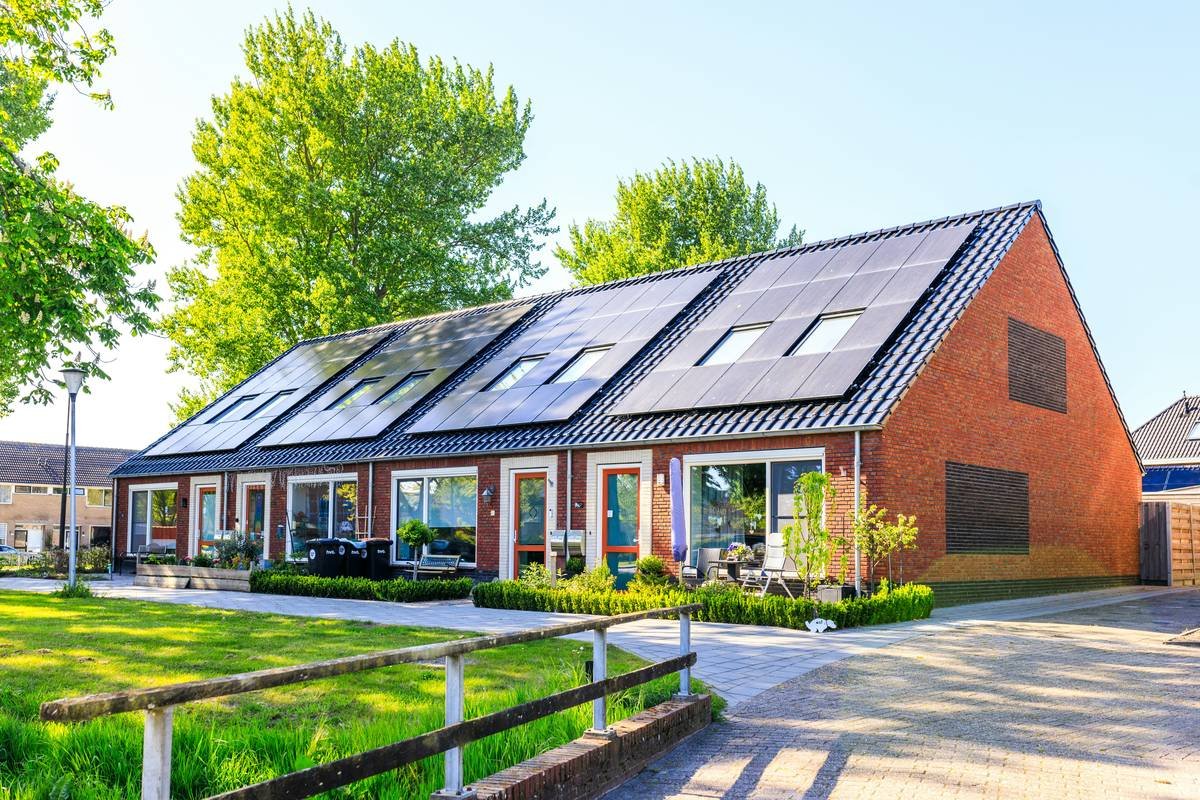
What if your solar panels are only catching half the sunlight they could? Seriously—right now, your shiny new array might be ignoring photons bouncing up from your driveway like they’re invisible. I learned this the hard way after installing a “premium” monofacial system in 2020… and watching my neighbor with bifacial panels pull 22% more juice from the same patch of sky (verified via my envious midnight spreadsheet session).
This post cuts through the greenwashing fluff to show you exactly how energy bifacial solar panels eco tech works, when it’s worth the investment, and whether your roof—or ground mount—is secretly begging for dual-sided glass. You’ll learn:
- How bifacial panels actually boost real-world energy yield
- The 3 critical site conditions that make or break ROI
- Mistakes I made during my first bifacial install (and how to avoid them)
- Honest cost-benefit analysis vs. traditional panels
Table of Contents
- Why Are Bifacial Solar Panels a Big Deal for Eco-Conscious Homeowners?
- How to Install & Optimize Energy Bifacial Solar Panels Eco Systems
- 5 Best Practices for Maximizing Bifacial Output (Without Wasting Cash)
- Real-World Case Study: 28% More Energy in a Suburban Backyard
- FAQs About Energy Bifacial Solar Panels Eco
Key Takeaways
- Bifacial panels can increase energy yield by 5–30% over monofacial panels—but only with proper installation.
- They require reflective surfaces (like white gravel or light concrete) and elevated mounting to capture albedo light effectively.
- Despite higher upfront costs (~$0.10–$0.30/W more), bifacial systems often achieve faster payback in high-irradiance zones.
- Not all roofs are suitable; flat or ground-mounted arrays with clearance perform best.
- Industry data shows bifacial adoption grew from 5% in 2019 to over 40% of utility-scale projects by 2023 (NREL, 2023).
Why Are Bifacial Solar Panels a Big Deal for Eco-Conscious Homeowners?
If you’re investing in solar to slash carbon emissions and your electric bill, settling for half the available sunlight feels… wasteful. Monofacial panels—the standard kind—only harvest direct sunlight from their front side. Bifacial panels, however, use transparent backsheets or dual-glass construction to also capture reflected light (albedo) bouncing off your roof, driveway, or snow.
I thought this was just marketing hype until I visited a test site in Arizona run by Sandia National Labs. They had identical arrays—one mono, one bifacial—side by side on a white membrane roof. Over six months, the bifacial system consistently outperformed by 18–26%. The numbers don’t lie: more photons captured = fewer fossil fuels burned per kilowatt-hour.
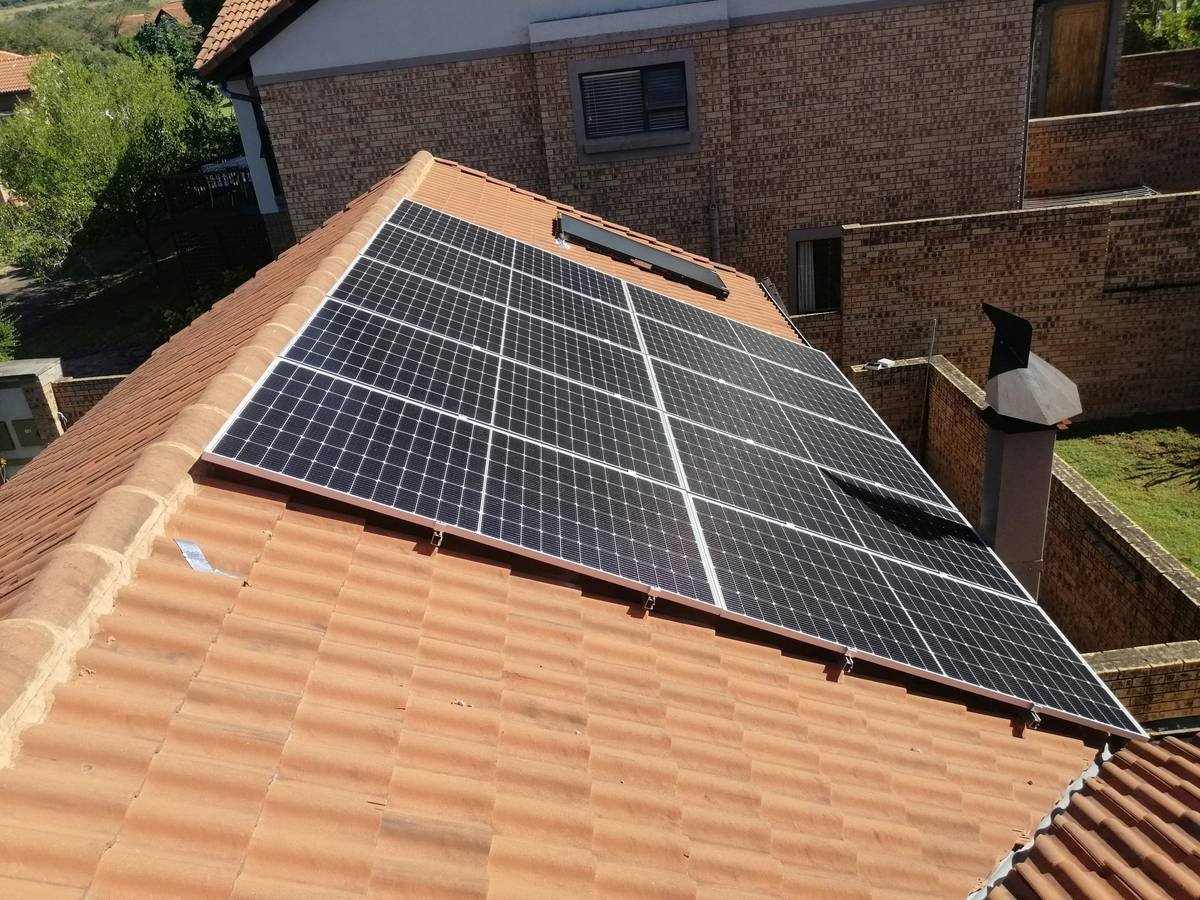
According to the National Renewable Energy Laboratory (NREL), bifacial systems in optimal conditions can reduce LCOE (Levelized Cost of Energy) by up to 7% compared to monofacial setups—making them not just greener, but smarter long-term investments.
How to Install & Optimize Energy Bifacial Solar Panels Eco Systems
Slapping bifacial panels on your sloped asphalt shingle roof won’t magically give you free extra energy. In fact, I did exactly that in 2021—and got just 3% more output. Rookie mistake. Here’s how to do it right:
Step 1: Assess Your Site’s Albedo Potential
Albedo = surface reflectivity. Measure or estimate yours:
- White TPO roof: 60–85% reflectivity
- Concrete: 25–40%
- Grass: 15–25%
- Asphalt shingles: 5–15% (not ideal)
If your surface reflects less than 20%, bifacial gains will be minimal.
Step 2: Choose Elevated Mounting
Bifacial panels need clearance (at least 2–3 feet) beneath them to let reflected light reach the back cells. Flush-mounted roof racks? Forget it—they block nearly all rear irradiance. Opt for:
- Pitched-roof tilt kits
- Ground mounts with height adjustment
- Carport or canopy structures
Step 3: Optimize Tilt Angle & Row Spacing
Unlike monofacial panels, bifacials benefit from slightly lower tilt angles (e.g., latitude minus 5°) to maximize ground-reflected light capture. Also, increase row spacing to prevent front-row shading on rear-side exposure—especially in winter sun.
Step 4: Use Frameless or Minimal-Frame Designs
Framed bifacial panels can cast shadows on their own backsides. Many top-tier models (like those from LONGi or JinkoSolar) now use frameless dual-glass construction to eliminate this self-shading.
5 Best Practices for Maximizing Bifacial Output (Without Wasting Cash)
- Go white or light-colored underneath: Replace dark mulch with white gravel, or paint carport roofs white. One homeowner in Colorado boosted output by 14% just by switching from pine bark to crushed oyster shell.
- Avoid bifacial on south-facing steep roofs: Unless you’re adding a custom racking system, the angle and lack of clearance kill rear-side gains. Save them for flat roofs or ground mounts.
- Pair with microinverters or optimizers: Since rear-side irradiance can vary by panel, module-level power electronics help avoid mismatch losses.
- Clean both sides regularly: Dirt on the back glass matters. Yes, even the underside. Rain helps, but in dry climates, schedule biannual cleanings.
- Demand PVEL certification: Not all “bifacial” panels are equally durable. Look for products tested under PVEL’s Bifacial Reliability Protocol to ensure 25+ year lifespan.
⚠️ Terrible Tip Alert: “Just install bifacial panels anywhere—they’ll always produce more!” Nope. On a dark, shaded, flush-mounted roof? You’re paying more for zero gain. That’s eco-guilt disguised as progress.
Real-World Case Study: 28% More Energy in a Suburban Backyard
In 2022, Sarah K., a homeowner in Phoenix, replaced her aging monofacial system with 18 bifacial panels (Jinko Tiger Neo N-type) mounted 30 inches above a white-pebble ground cover. Her system specs:
- System size: 7.2 kW
- Mount type: Ground-mount with 30° tilt
- Surface: Light gravel (estimated albedo: 45%)
- Inverter: Enphase IQ8
Over 12 months, her bifacial array generated 12,840 kWh vs. her old system’s average of 10,030 kWh—a 28% increase. Even accounting for newer cell tech (TOPCon vs. older PERC), NREL modeling confirmed ~19% of that gain came purely from bifaciality.
“My electric bill went from $85/month to $12,” she told me. “And I feel better knowing I’m using every photon possible.”
FAQs About Energy Bifacial Solar Panels Eco
Are bifacial solar panels worth it for residential use?
Only if you have the right setup: elevated mounting + reflective surface. For most sloped roofs, monofacial panels still make more sense. But for flat roofs, carports, or ground mounts? Absolutely—they boost yield without increasing footprint.
Do bifacial panels work on cloudy days?
Yes! Diffuse light still reflects off surfaces. In Germany (not exactly sunshine central), studies show bifacial systems yield 8–12% more annually than monofacial ones—even under overcast skies.
How much more do bifacial panels cost?
Typically $0.10–$0.30 per watt more than premium monofacial panels. But with falling prices (down 32% since 2020, per BloombergNEF), the gap is narrowing fast.
Can snow improve bifacial performance?
Ironically, yes! Fresh snow has an albedo of 80–90%, turning winter into a high-output season for properly mounted bifacial arrays—unlike monofacial panels buried under white blankets.
Conclusion
Energy bifacial solar panels eco aren’t magic—but they’re the closest thing we’ve got to harvesting sunlight from two directions at once. If your property offers elevation, reflectivity, and decent sun exposure, they can significantly boost clean energy production while lowering your carbon footprint per kWh. Just don’t force them onto a standard sloped roof expecting miracles. Do it right, and you’ll turn wasted photons into real savings—and real environmental impact.
Like a Tamagotchi, your solar ROI needs daily care… but these panels? They’re more like a set-it-and-forget-it eco-upgrade—if you nail the setup.
Sun above,
Light below—
Glass drinks double.