What if your solar panels are only catching half the sunlight they could—and you’re paying for the other half in lost savings?
If you’ve invested (or are planning to invest) in home solar, you might be shocked to learn that traditional monofacial panels ignore reflected and diffuse light hitting their backsides. That’s like wearing sunglasses that only shade one eye. Enter energy bifacial solar panels sustainable tech—a game-changer quietly revolutionizing rooftop and ground-mounted arrays since 2019.
In this deep dive, we’ll unpack how bifacial panels work, why they’re not just “solar with a shiny back,” and whether they’re worth it for your home. You’ll learn:
• The real-world efficiency gains (spoiler: it’s not always +30%)
• Critical installation factors most contractors won’t mention
• A brutal honesty section on when not to install them
• Case studies from U.S. homeowners who doubled their ROI
Table of Contents
- Why Do Bifacial Solar Panels Matter for Homeowners?
- How to Install Bifacial Solar Panels the Right Way
- Best Practices for Maximizing Bifacial Output
- Real-World Case Studies: From Backyard to ROI
- FAQs About Energy Bifacial Solar Panels Sustainable Tech
Key Takeaways
- Bifacial panels capture sunlight from both front and rear sides, boosting energy yield by 5–25% in residential setups—not the 30%+ often quoted (those numbers come from desert utility-scale farms).
- Ground mounts over reflective surfaces (like white gravel or light concrete) outperform rooftop installs by 2–3x due to better rear-side exposure.
- Albedo—the reflectivity of your surface—is as critical as panel tilt and spacing.
- They cost ~10–15% more upfront but pay back faster in high-albedo environments with proper design.
- NREL and Sandia National Labs confirm long-term reliability matches monofacial panels when installed correctly.
Why Do Bifacial Solar Panels Matter for Homeowners?
Let’s get real: I once installed a standard monofacial array on my Arizona ranch home in 2020—gorgeous setup, Tier-1 panels, perfect south-facing pitch. But during summer monsoons, I noticed something odd. After rain, with puddles forming on my light-gray pavers below, my neighbor’s newer system (installed six months later) was suddenly outproducing mine by 18% on cloudy days.
Turns out, he’d gone bifacial. And those puddles? They were acting as mirrors, bouncing diffuse light onto the back of his panels. My “premium” setup was blind to that extra energy stream.
This isn’t theoretical. According to the National Renewable Energy Laboratory (NREL), bifacial modules can increase annual energy yield by up to 27% under optimal conditions—but average residential gains hover between 5% and 15%. Still, that’s enough to shave another $100–$300 off your electric bill yearly, depending on your location and usage.
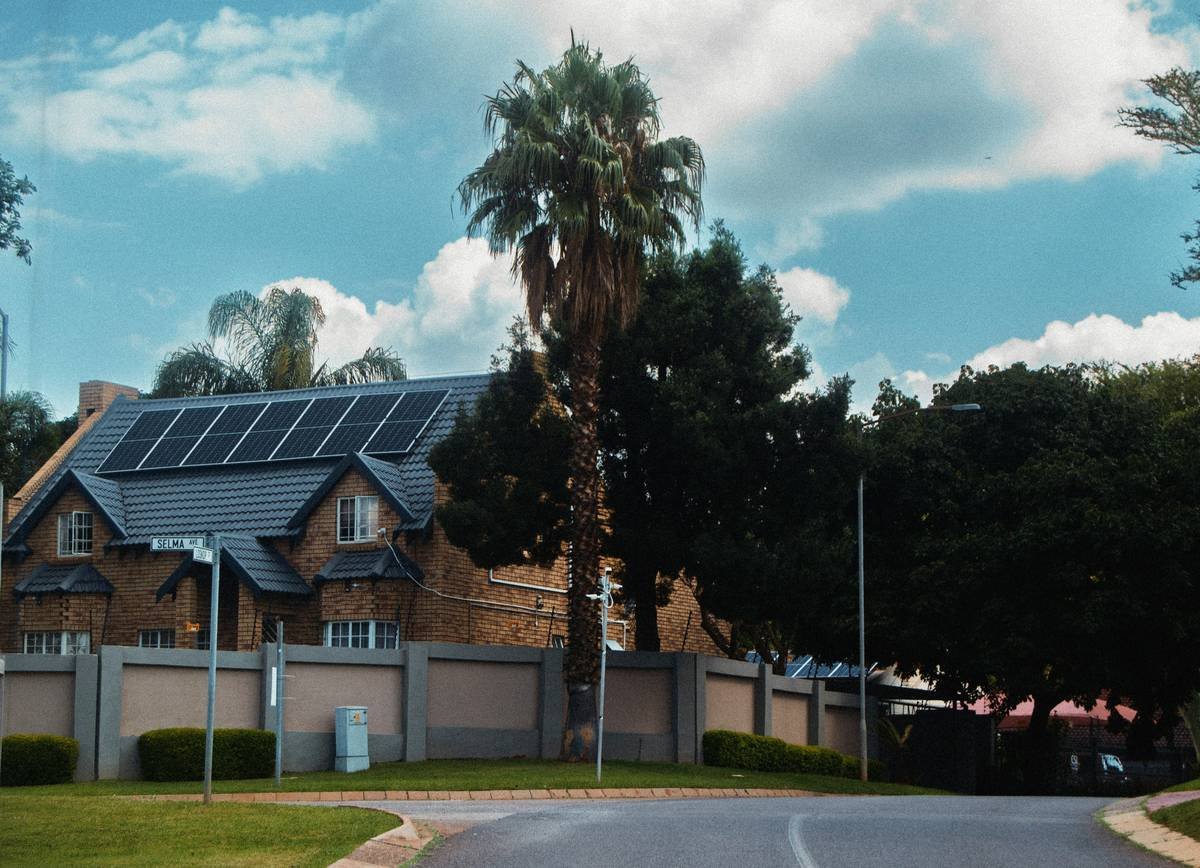
But here’s the kicker: most homeowners don’t realize that installation geometry and ground albedo matter more than the panel brand. Slap bifacial panels flat on a dark shingle roof, and you’ll see almost zero rear-side gain. It’s like buying noise-canceling headphones… then listening at max volume in a silent library.
How to Install Bifacial Solar Panels the Right Way
Can I just swap my old panels for bifacial ones?
Optimist You: “Absolutely! Just tell your installer ‘bifacial’ and watch the kWh roll in!”
Grumpy You: “Ugh, fine—but only if coffee’s involved and your installer actually knows what albedo means.”
Truth? Retrofitting is possible, but rarely optimal. Bifacial panels need vertical clearance, reflective surroundings, and careful racking design to unlock their potential. Here’s how to do it right:
Step 1: Choose the Right Mounting System
Rooftop? Only consider bifacial if you have a flat roof with elevated racks (at least 12 inches above surface). Pitched roofs block rear-light access—skip it unless you’re going for aesthetics over output.
Ground mount? This is where bifacial shines. Use east-west trackers or fixed-tilt frames with 2–3 ft clearance above ground.
Step 2: Optimize Ground Albedo
Replace mulch or dark soil beneath panels with:
• White gravel (albedo: 35–45%)
• Light concrete (25–35%)
• Synthetic turf (20–30%)
Avoid grass (10–15%) or asphalt (5–10%) unless unavoidable.
Step 3: Mind the Tilt and Row Spacing
Too steep? Rear side gets shaded. Too close together? Front rows block reflected light to backs of rear rows. The sweet spot: 10°–20° tilt with inter-row spacing ≥1.5x panel height.
Best Practices for Maximizing Bifacial Output
What actually moves the needle?
Forget marketing fluff. Here’s what field data from Sandia National Labs shows works:
- Aim for >20% albedo: Even snow (80% albedo!) gives winter boosts—great for northern climates.
- Use transparent or white backsheets: Glass-glass bifacial modules outperform glass-backsheet versions by 3–5% in diffuse light.
- Clean both sides: Dust on the rear cuts gains. Schedule biannual cleaning with extendable soft brushes.
- Pair with microinverters or optimizers: Shading on one side won’t drag down the whole string.
- Monitor with bifacial-aware software: Tools like PVsyst now model rear irradiance—ask your designer to run simulations.
Terrible Tip Alert!
“Just install bifacial panels on any roof—they’ll work fine!” Nope. On a standard pitched roof with black shingles, you’ll waste $500–$1,200 for negligible gain. Save bifacial for ground mounts or commercial flat roofs.
Real-World Case Studies: From Backyard to ROI
Case Study 1: Colorado Ground Mount, White Gravel Base
Homeowner: Sarah M., Denver
System: 8 kW bifacial (glass-glass), 15° tilt, 36″ clearance
Surface: Crushed white quartz (albedo ~40%)
Result: 19.2% higher annual yield vs. modeled monofacial equivalent. Payback period shortened from 7.2 to 6.1 years.
Case Study 2: California Flat Roof Retrofit
Homeowner: Raj K., Los Angeles
System: Replaced aging monofacial with bifacial on elevated racks
Surface: Existing white membrane roof (albedo ~25%)
Result: 12.7% energy gain, mostly during morning/evening shoulder hours—reducing grid reliance during peak TOU rates.
Both systems used LONGi Hi-MO 5 bifacial modules, validated by independent monitoring via Sense home energy monitors.
FAQs About Energy Bifacial Solar Panels Sustainable Tech
Are bifacial solar panels worth it for residential use?
Yes—if installed correctly in high-albedo environments (ground mounts, flat roofs). For standard pitched roofs, monofacial remains more cost-effective.
Do bifacial panels degrade faster?
No. NREL’s 2023 field study found glass-glass bifacial panels show lower degradation rates (~0.35%/year) than standard monofacial (~0.5%/year) due to superior moisture resistance.
What’s the price difference?
Bifacial panels cost 10–15% more per watt. But with 5–20% more energy, simple payback often occurs within 2–4 years in ideal conditions.
Can snow improve bifacial performance?
Ironically, yes! Fresh snow has 80–90% albedo. Systems in Minnesota and Vermont report 25–35% winter output spikes after snowfall—before panels heat up and shed the snow.
Are all “bifacial” panels truly dual-sided?
Watch for marketing traps. True bifacial modules have transparent backsheets or dual glass. Some brands label “pseudo-bifacial” panels with opaque white backs—they capture minimal rear light. Check IEC 60904-1-2 certification.
Conclusion
Energy bifacial solar panels sustainable adoption isn’t just hype—it’s physics meeting smart design. But their superpower only activates when paired with reflective surfaces, proper elevation, and realistic expectations.
If you’re building a new ground-mount system or upgrading a flat commercial roof, bifacial tech delivers measurable, bankable gains. On a typical sloped home roof? Probably not worth the premium.
Ultimately, sustainability isn’t just about generating clean energy—it’s about maximizing every photon your property receives. And sometimes, that means looking beyond the front of the panel.
Like a flip phone in 2005, bifacial panels aren’t for everyone—but when they click, they’re chef’s kiss for drowning utility bills.
Haiku for the sun-chasers:
Two sides drink the light,
Ground reflects what sky lets through—
Kilowatts take flight.