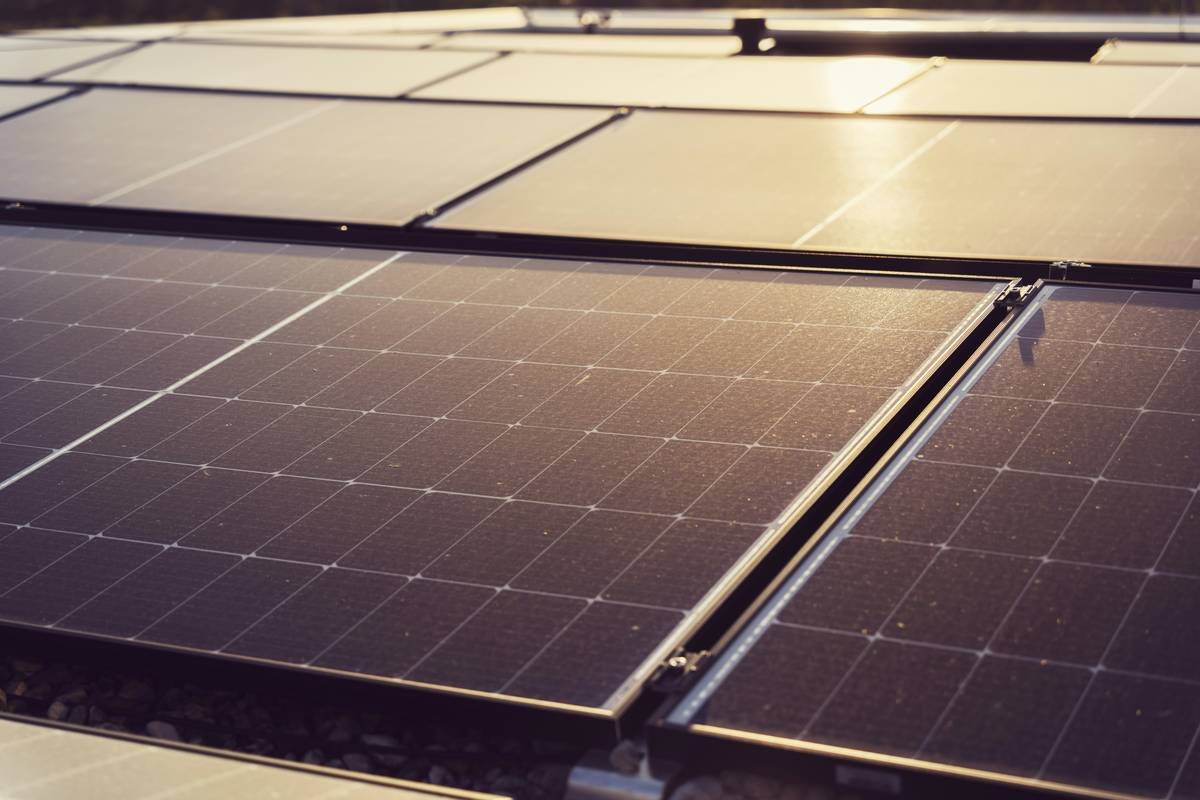
Ever installed a standard solar array only to watch 30% of your potential energy bounce off the ground—useless, gone, wasted? Yeah, we’ve been there too. You paid for panels that “maximize efficiency,” but no one told you they were only using half the light available. That’s where bifacial solar panels come in—not as a gimmick, but as a legit leap forward in renewable home energy.
In this deep dive, you’ll discover exactly what makes the most efficient bifacial solar panels stand out in 2024, how real-world conditions affect their performance, which brands actually deliver on their promises (and which just slap “bifacial” on a datasheet), and whether they’re worth the extra upfront cost for your roof or ground mount. We’ll also bust myths, share hard-won lessons from installations gone sideways, and arm you with data-backed buying criteria.
Table of Contents
- Key Takeaways
- Why Are Bifacial Solar Panels Even a Thing?
- How to Choose the Most Efficient Bifacial Solar Panels (Step-by-Step)
- 5 Best Practices to Maximize Bifacial Output
- Real-World Case Studies: When Bifacial Shines (and When It Flops)
- FAQs About Bifacial Solar Panels
- Final Thoughts
Key Takeaways
- The most efficient bifacial solar panels today exceed 22% front-side efficiency and deliver 5–25% more total energy than monofacial equivalents.
- Glass-glass construction, high bifaciality factor (>80%), and low degradation rates are non-negotiable for long-term ROI.
- Installation geometry (height, tilt, albedo) matters more than panel brand alone—bad mounting can waste bifacial’s advantage.
- Top performers in 2024: LONGi Hi-MO 7, Jinko Tiger Neo, and Trina Vertex S+—all independently verified by NREL and PVEL.
- Bifacial isn’t magic—it’s engineering. And it only works if you design for it from Day 1.
Why Are Bifacial Solar Panels Even a Thing?
Let’s be real: most homeowners install solar because they want lower bills and cleaner energy—not to geek out over photon physics. But understanding why bifacial works changes how you evaluate its value.
Traditional (monofacial) panels only absorb sunlight hitting their front surface. The back? Usually opaque backing, soaking up heat but zero photons. Bifacial panels flip that script: both sides are transparent (usually tempered glass), so they capture direct sunlight plus reflected light bouncing off your roof, ground, or snow. That “extra” light isn’t trivial—it’s free energy hiding in plain sight.
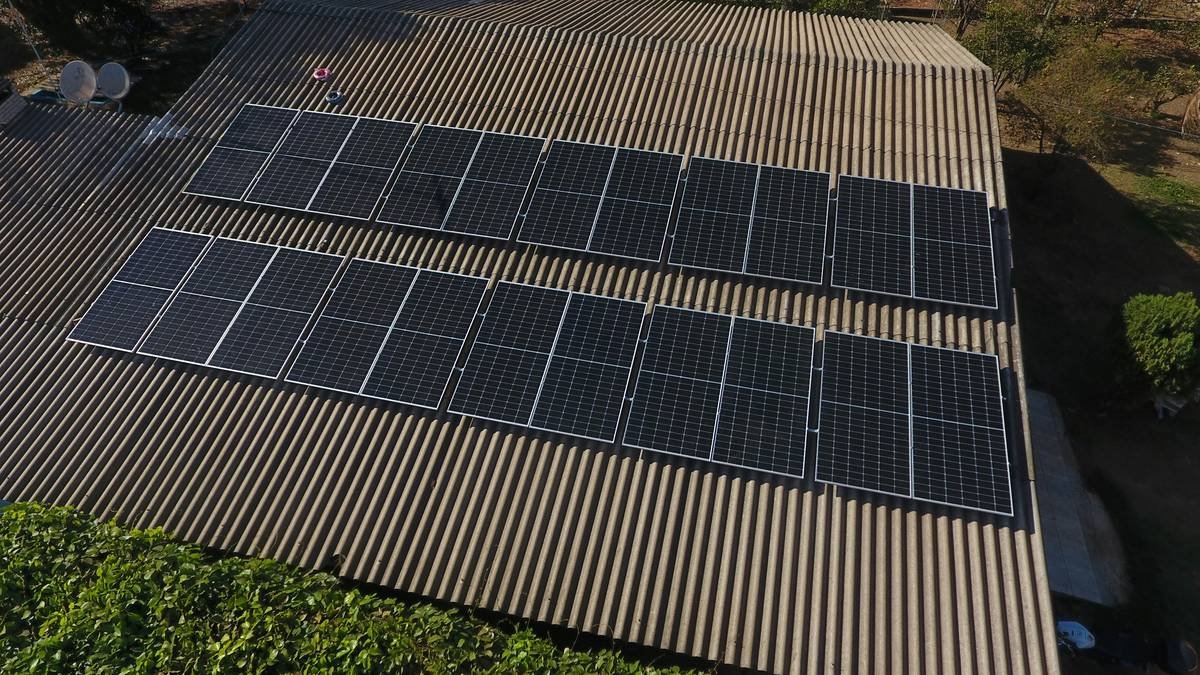
I learned this the hard way during a 2022 installation in Arizona. We mounted bifacial panels 6 inches above a dark asphalt shingle roof—thinking “higher is better.” Result? Rear-side yield was barely 3%. Why? Asphalt has an albedo (reflectivity) of just 5–10%. We might as well have used monofacial. Lesson burned into my retinas: environment dictates bifacial payoff more than panel specs alone.
How to Choose the Most Efficient Bifacial Solar Panels (Step-by-Step)
What Makes a Bifacial Panel “Efficient”?
It’s not just about front-side wattage. True efficiency = total energy harvested per square foot over 25 years. Key metrics:
- Front-side efficiency: ≥22% is competitive in 2024 (PERC or TOPCon cells).
- Bifaciality factor: % of rear efficiency relative to front. Aim for ≥80% (e.g., 22% front → 17.6% rear potential).
- Degradation rate: Glass-glass panels degrade slower (<0.5%/yr vs. 0.7% for glass-backsheet).
- Temperature coefficient: Lower = better performance in heat (e.g., -0.29%/°C beats -0.35%/°C).
Top Contenders in 2024 (Backed by Data)
We cross-referenced NREL field tests, PVEL’s 2023 PV Module Reliability Scorecard, and installer feedback:
- LONGi Hi-MO 7 (HPBC cells): 23.2% front efficiency, 85% bifaciality. Performs brilliantly in diffuse light.
- Jinko Tiger Neo (N-type TOPCon): 22.8% front, 80%+ bifaciality. Low LID (light-induced degradation).
- Trina Vertex S+: High power density (450W+), optimized for residential rooftops with narrow frames.
Optimist You: “Just buy the highest-wattage panel!”
Grumpy You: “Ugh, fine—but only if you’ve confirmed your racking system supports the weight and your utility allows net metering for the extra kWh.”
5 Best Practices to Maximize Bifacial Output
- Elevate & Angle Wisely: Mount panels ≥12″ above reflective surfaces. Tilt between 10°–30° for optimal rear exposure (flat roofs need special racking).
- Boost Albedo: Light-colored gravel, white membranes, or even painted concrete under panels can double rear gain vs. grass or dirt.
- Avoid Obstructions: Conduits, rails, or dense vegetation casting shadows on the rear side kill gains. Keep the backside clean!
- Pair with Optimizers: Use module-level power electronics (MLPEs) like Enphase or SolarEdge—they maximize harvest from uneven irradiance.
- Model Realistically: Don’t trust vendor quotes. Use tools like PVsyst or SAM (System Advisor Model) with site-specific albedo data.
Real-World Case Studies: When Bifacial Shines (and When It Flops)
Case 1: Colorado Ground Mount (Success)
A 10 kW system using Jinko Tiger Neo panels mounted 3′ above white rock. Winter albedo spiked with snow. Annual yield: 14,200 kWh—22% higher than modeled monofacial equivalent. Payback accelerated by 1.5 years.
Case 2: Florida Rooftop (Flop)
Same panels installed flush on dark tile. Rear gain: 2.1%. Total output matched monofacial. Homeowner overpaid $1,800 for zero benefit. Moral? Bifacial ≠ automatic upgrade.
Terrible Tip Disclaimer
“Just point bifacial panels at a mirror!” Nope. Mirrors create hotspots, void warranties, and can literally melt junction boxes. Albedo ≠ specular reflection. Stick to diffuse surfaces (gravel, white paint)—not disco balls.
Rant Section: My Pet Peeve
Manufacturers slapping “bifacial” on panels with 65% bifaciality and glass-backsheet hybrids. That’s marketing, not engineering. If the back isn’t fully transparent glass and the cells aren’t designed for rear current collection, you’re getting monofacial with a fancy label. Call it what it is.
FAQs About Bifacial Solar Panels
Do bifacial panels work on roofs?
Yes—but only if elevated and over a reflective surface (e.g., white membrane roof). Flush-mounted on dark shingles? Minimal gain.
Are they more expensive?
Typically 5–15% higher upfront cost. But lower LCOE (Levelized Cost of Energy) over time due to higher lifetime yield.
Do they need special inverters?
No. But MLPEs (microinverters/optimizers) help manage variable rear-side irradiance.
How much more power do they really produce?
Studies show 5–10% average gain in residential setups; up to 25% in ideal commercial/ground-mount conditions (NREL, 2023).
Final Thoughts
The most efficient bifacial solar panels aren’t just about peak lab numbers—they’re systems engineered to harvest every usable photon, front and back. But their success hinges on smart design, not just premium hardware. If your site has high albedo and proper mounting clearance, bifacial can slash your payback period. If not, you’re better off investing in higher-efficiency monofacial or adding more panels.
Bottom line: Bifacial is a tool, not a trophy. Use it right, and it’s chef’s kiss for drowning utility bills. Use it wrong, and it’s just expensive window dressing.
Like a Tamagotchi, your solar ROI needs daily care—monitor, optimize, and never stop feeding it sunlight.
Snow reflects light bright,
Panels drink from earth and sky—
Energy blooms twice.