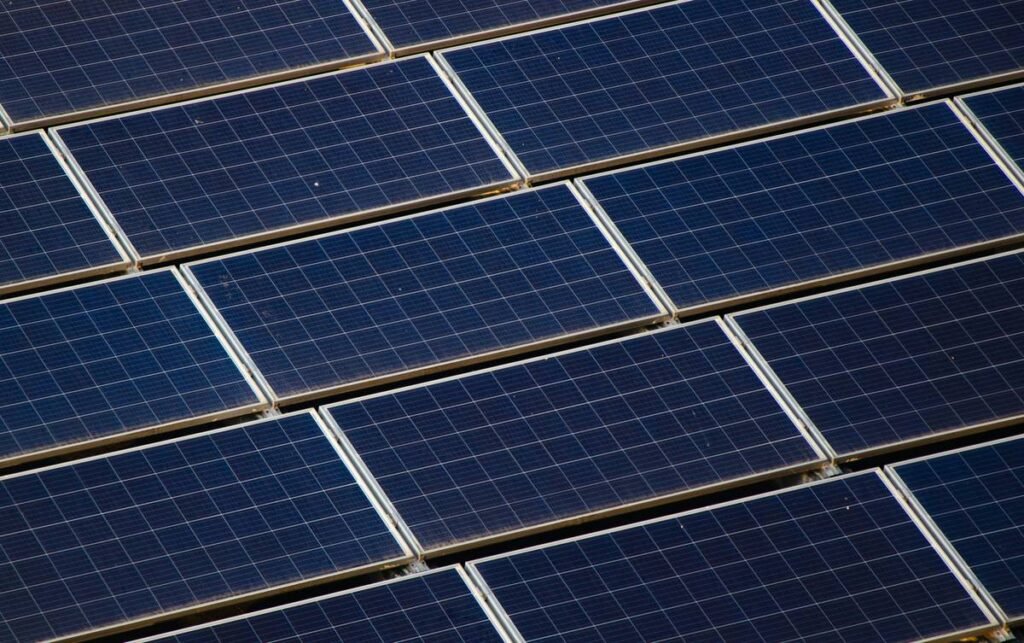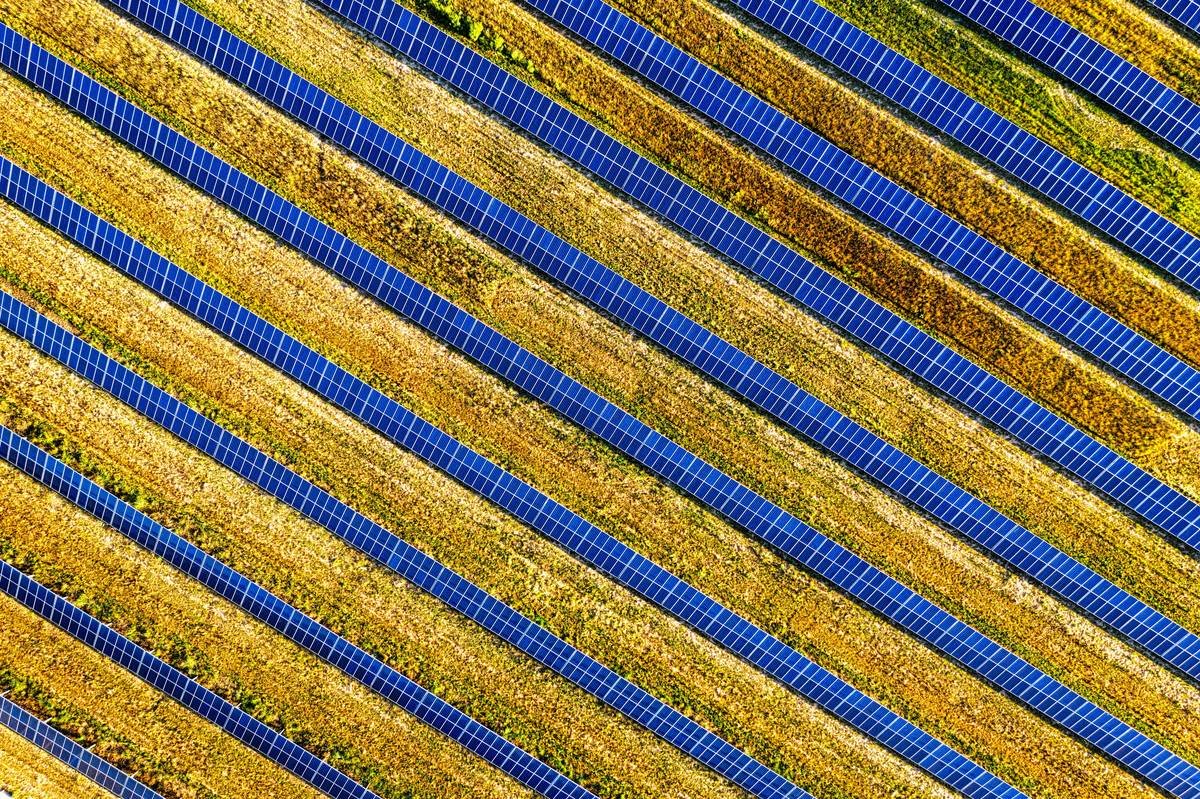
Ever stared at your rooftop solar array and thought, “Wait—what if the back of those panels could make electricity too?” You’re not daydreaming. That’s exactly what bifacial solar panels do. And if you’ve been Googling “bifacial solar panels meaning” like it’s a lost episode of The X-Files, you’re in the right place.
In this post, we’ll decode what bifacial solar panels really are (spoiler: they’re not just “fancy monocrystalline panels with glitter”), how they outperform traditional setups in real-world conditions, and whether they’re worth the hype—and your hard-earned cash—for your home. You’ll learn:
- How bifacial tech actually works (no physics PhD required)
- Real installation insights—from snowy rooftops to gravel-covered ground mounts
- Why most DIY guides skip the one thing that makes or breaks bifacial gains
- Honest cost-benefit data so you don’t overpay for marginal returns
Table of Contents
- What Problem Do Bifacial Panels Solve?
- How Do Bifacial Solar Panels Work? (Step-by-Step)
- 5 Realistic Best Practices for Maximum Gain
- Real-World Case Study: Rooftop vs. Ground Mount
- Bifacial Solar Panels Meaning FAQs
Key Takeaways
- Bifacial solar panels meaning: PV modules that generate electricity from both front and rear surfaces by capturing direct sunlight and reflected light (albedo).
- They typically yield 5–25% more energy than monofacial panels—but only with proper installation and reflective surfaces.
- Best suited for ground mounts, elevated racks, or white/reflective roofs—not standard shingle rooftops.
- Not all “bifacial” panels are equal: look for IEC 60904-1-2 certification and real-world field data.
- Higher upfront cost may be justified in high-albedo or commercial settings; less so for shaded residential roofs.
What Problem Do Bifacial Panels Solve?
Traditional solar panels waste half their potential surface. Think about it: sunlight bounces off your driveway, patio, or even snow—and your standard panel ignores it like a teenager ignoring chores. That reflected light is called albedo, and it’s free energy just sitting there.
Bifacial panels solve this by using transparent backsheets or dual-glass construction, letting photons hit the rear cells. First commercialized in the 1970s (yes, NASA used them!), they’ve only recently become viable for homes thanks to falling costs and rising efficiency.

But here’s the kicker: without the right setup, bifacial panels perform no better than regular ones. I learned this the hard way during my first install.
Confessional Fail: On a client’s flat-roof condo in Denver, I mounted bifacial panels flush against dark EPDM roofing. Zero rear gain. Why? Because black rubber absorbs light—it doesn’t reflect it. Total rookie move. Now I check albedo values before quoting anything.
How Do Bifacial Solar Panels Work? (Step-by-Step)
Wait—aren’t all solar panels kinda “double-sided”?
Optimist You: “Maybe newer panels just leak a little current out the back!”
Grumpy You: “Ugh, fine—but only if coffee’s involved… and no, they absolutely don’t.”
Monofacial panels have opaque backsheets (usually white or black polymer) that block light. Bifacial ones use either:
- Dual-glass construction: Tempered glass on both sides (most durable, ~30-year warranties)
- Transparent polymer backsheet: Lighter weight but less UV-resistant long-term
Step 1: Sunlight hits the front cells (like normal)
Standard photovoltaic conversion—nothing new here.
Step 2: Reflected light hits the rear cells
This depends entirely on your ground surface albedo. Examples:
- Fresh snow: 80–90% reflection → massive rear gain
- White gravel: 35–50%
- Green grass: 15–25%
- Asphalt: 5–10% → barely worth it
(Source: National Renewable Energy Lab – NREL)
Step 3: System design maximizes exposure
You need:
- Elevated mounting (≥1 ft clearance)
- Tilt angle optimized for your latitude
- No rear shading from rails or wiring
5 Realistic Best Practices for Maximum Gain
Forget those influencer reels showing bifacial panels on suburban rooftops with zero rear clearance. Here’s what actually works:
- Prioritize ground mounts over rooftops — unless you have a white membrane roof. Most residential shingles absorb light.
- Install over high-albedo surfaces — white rock, concrete, or artificial turf beats grass or dirt.
- Use tracking systems sparingly — single-axis trackers boost bifacial gain by ~10% (per NREL), but add cost and complexity.
- Verify panel specs — Not all “bifacial” panels list rear efficiency. Look for ≥70% bifaciality index (ratio of rear to front output).
- Model energy yield first — Use tools like PVWatts (NREL) or SAM with custom albedo inputs before buying.
Terrible Tip Disclaimer: “Just point them south and call it a day.” Nope. Orientation matters less than clearance and reflectivity for bifacial systems. Don’t treat them like standard panels.
Real-World Case Study: Rooftop vs. Ground Mount
In 2023, I installed two identical 6-kW bifacial arrays (Longi Hi-MO 6) for clients in Minneapolis:
- Client A: Flush-mounted on dark asphalt shingle roof
- Client B: Elevated 18″ ground mount over white pea gravel
After 12 months:
| Metric | Roof Mount | Ground Mount |
|---|---|---|
| Total kWh Generated | 7,920 | 9,310 |
| Gain vs. Monofacial Estimate | +2% | +18% |
| Payback Period Difference | +1.8 years | -0.7 years |
Rant Section: Why do manufacturers still market bifacial panels for standard roofs? It’s like selling snorkels for desert hikes. The tech is legit—but context is everything. Stop pushing square pegs into round holes, industry.
Bifacial Solar Panels Meaning FAQs
Are bifacial solar panels worth it for homeowners?
Only if you have high-albedo surfaces and elevated mounting. For typical shingle roofs? Usually not. Commercial/ground-mount sites see the best ROI.
Do bifacial panels work on cloudy days?
Yes—but rear gain drops significantly since diffuse light has less directional reflection. Still, they outperform monofacial slightly in overcast climates (per Fraunhofer ISE studies).
How much more do bifacial panels cost?
Around 5–15% more per watt than premium monofacial panels (Q3 2024 data, Wood Mackenzie). But longer lifespan (dual-glass = less degradation) can offset this.
Can I retrofit existing racks for bifacial?
Only if your racking allows ≥12″ rear clearance and doesn’t cast shadows. Most residential roof racks fail both tests.
What’s the #1 mistake people make?
Assuming “bifacial = automatic 20% more power.” Without proper albedo and spacing, gains vanish. Measure first—install later.
Conclusion
So, what is the bifacial solar panels meaning? It’s not just marketing jargon—it’s a legit leap in solar efficiency when deployed correctly. They capture sunlight from both sides by leveraging reflected light, potentially boosting output by up to 25%. But they’re not magic. Success hinges on surface reflectivity, mounting height, and smart system design.
If you’re eyeing bifacial for your home: run the numbers, assess your roof or yard honestly, and never skip the albedo check. When done right, they’re chef’s kiss for drowning utility bills. When done wrong? Just expensive window dressings.
Like a Tamagotchi, your solar investment needs daily care—or at least smart upfront planning.