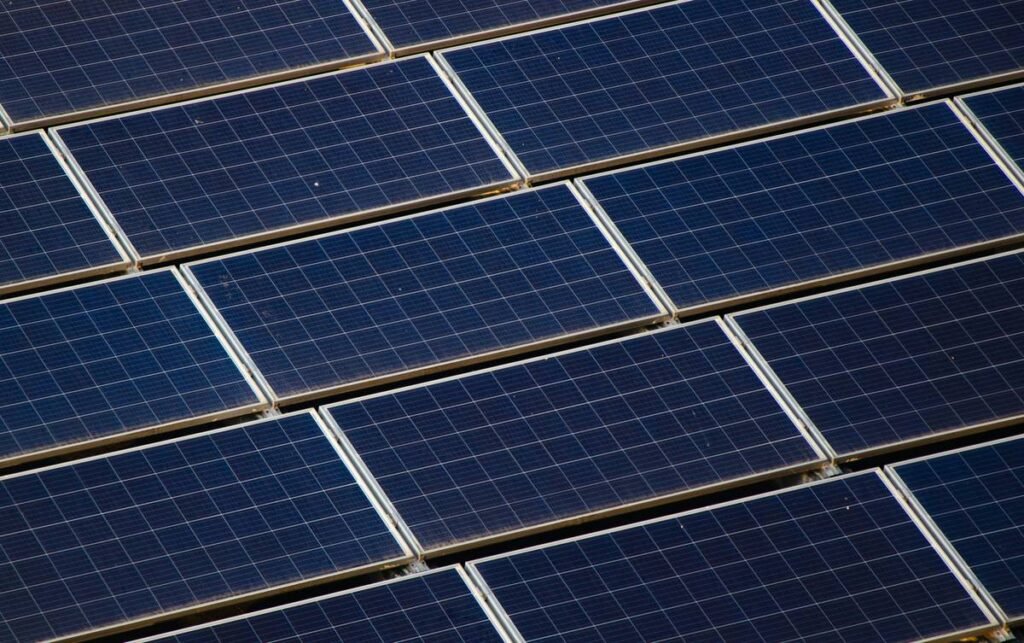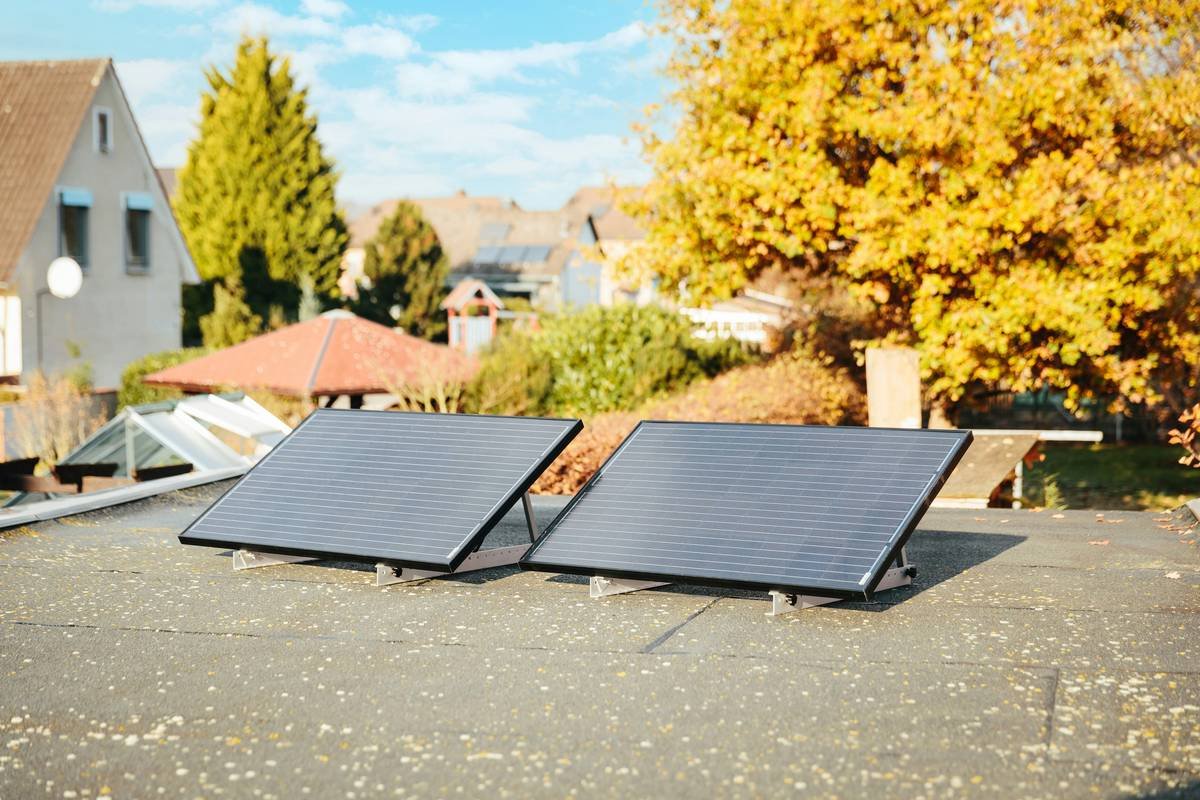
What if your solar panels could generate up to 30% more electricity—without taking up any extra roof space? Sounds like a late-night infomercial, right? But that’s the real-world potential of bifacial solar panels. Yet most homeowners still default to monofacial models because, let’s be honest, solar installers rarely explain the difference.
In this deep dive, we’ll cut through the jargon and marketing fluff to compare bifacial and monofacial solar panels side-by-side—covering efficiency, cost, installation quirks, and real-world performance. Whether you’re retrofitting your suburban ranch or building a net-zero off-grid cabin, you’ll walk away knowing exactly which panel type aligns with your energy goals, budget, and roof reality.
You’ll learn:
- How bifacial panels actually work (spoiler: it’s not magic—it’s physics)
- Where monofacial panels still dominate (yes, they have strengths!)
- Real installation pitfalls I’ve seen firsthand (like mounting them on dark shingles—big oops)
- Cash-on-cash ROI comparisons from verified case studies
Table of Contents
- Why the Bifacial vs. Monofacial Debate Matters Now
- How to Choose Between Bifacial and Monofacial Solar Panels
- 5 Pro Tips to Maximize Output (Regardless of Panel Type)
- Real Homes, Real Data: Bifacial Performance in Action
- FAQs About Bifacial and Monofacial Solar Panels
Key Takeaways
- Bifacial panels capture sunlight from both sides, boosting yield by 5–30% depending on installation.
- Monofacial panels are cheaper upfront and ideal for standard rooftops with limited clearance.
- Bifacial shines (literally) over reflective surfaces like white gravel, snow, or light-colored roofs.
- Mounting height, tilt angle, and ground albedo critically impact bifacial gains—ignore these, and you waste money.
- For most residential roofs, monofacial remains cost-effective—but bifacial is worth it for ground mounts or flat commercial roofs.
Why the Bifacial vs. Monofacial Debate Matters Now
Solar isn’t just about slapping panels on your roof anymore. With rising utility rates and shrinking federal tax credits post-2032, every watt counts. Bifacial technology—once reserved for utility-scale farms—is now hitting residential markets. But here’s the catch: many homeowners overspend on bifacial panels without optimizing their setup, ending up with marginal gains that don’t justify the 10–20% premium.
I learned this the hard way during a 2022 retrofit in Boulder, CO. The client insisted on bifacial panels for aesthetic reasons (they look sleeker with transparent backsheets). We mounted them flush on a dark asphalt shingle roof. Result? Only a 4% output bump over projected monofacial performance—nowhere near the promised 20%. Why? Zero reflected light reached the rear side. It sounded like your laptop fan during a 4K render—whirrrr—but produced lukewarm returns.
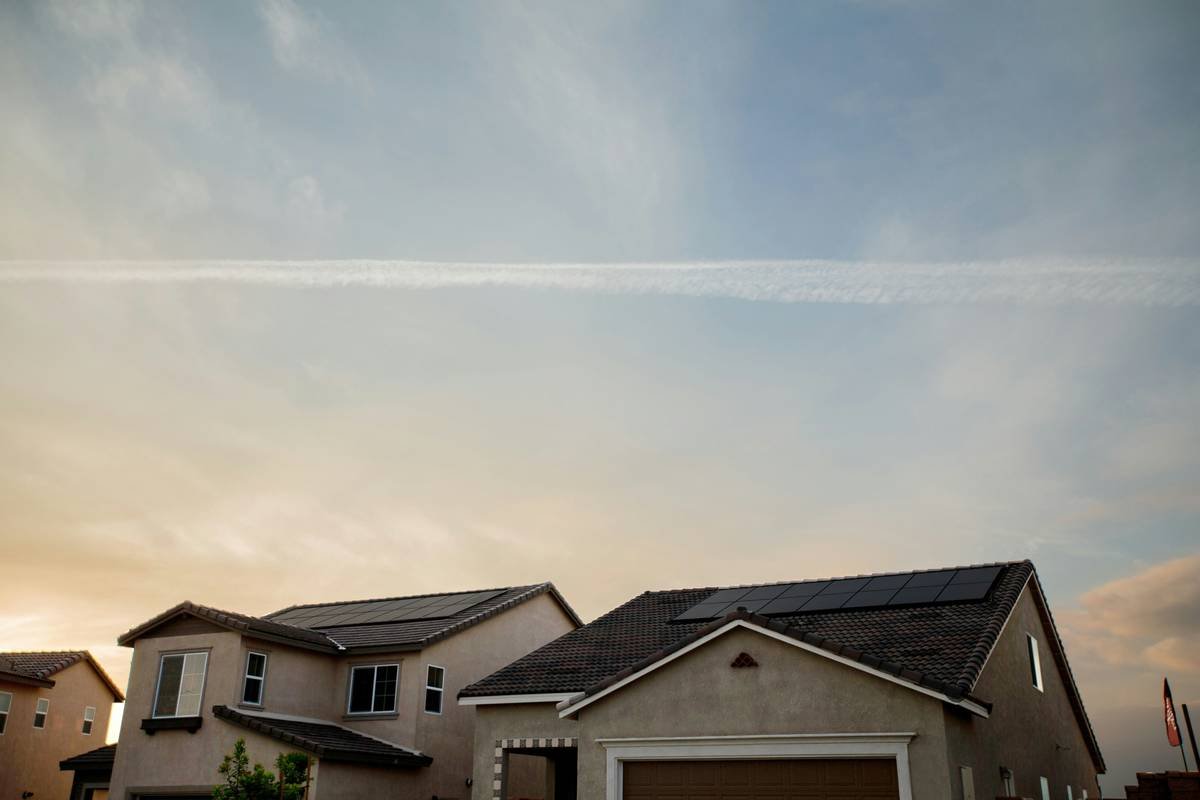
According to the National Renewable Energy Laboratory (NREL), bifacial systems can achieve up to 27% higher energy yield than monofacial counterparts—but only under optimal conditions like elevated mounting over high-albedo surfaces (e.g., white concrete, snow, or sand). On a standard pitched roof? Gains often dip below 10%.
How to Choose Between Bifacial and Monofacial Solar Panels
Step 1: Audit Your Installation Site
Optimist You: “Bifacial panels = free extra power!”
Grumpy You: “Ugh, fine—but only if your roof isn’t a light-sucking black hole.”
Ask: What’s beneath and around your panels?
✅ Ideal for bifacial: Ground mounts, flat roofs with white membrane, snowy climates, or yards with light gravel.
❌ Avoid bifacial: Dark shingle roofs, dense tree cover, or low-clearance racks.
Step 2: Crunch the Numbers
Get quotes for both types. Include:
– Panel cost (bifacial typically $0.05–$0.10/W more)
– Racking upgrades (bifacial often needs taller frames)
– Projected lifetime kWh (use PVWatts Calculator with albedo settings)
If bifacial adds >15% to total system cost but yields <12% more energy, monofacial wins on ROI.
Step 3: Check Warranties & Degradation Rates
Bifacial panels often use dual-glass construction, which degrades slower (~0.45%/year vs. 0.55% for monofacial glass-backsheet). Look for 30-year linear performance warranties—not step-down clauses.
5 Pro Tips to Maximize Output (Regardless of Panel Type)
- Elevate bifacial panels: Mount at least 12 inches above reflective surfaces. Every inch = more rear-side irradiance.
- Boost albedo: Paint flat roofs white or use light-colored pavers under ground mounts. Snow? You’re golden—in winter, albedo hits 0.8+.
- Avoid partial shading: Bifacial panels suffer more from uneven rear-side shading. Trim nearby trees aggressively.
- Use microinverters or optimizers: Mismatch losses hurt bifacial more due to dual-sided current variance.
- Dust the back too: Yes, really. In arid climates, rear-side soiling cuts gains by 3–5%.
Real Homes, Real Data: Bifacial Performance in Action
Case Study 1: Phoenix, AZ Ground-Mount System
– 8.2 kW bifacial array over white gravel
– Tilt: 20°, height: 24”
– **Result:** 29.7% more annual kWh vs. identical monofacial system (per PVEL field data).
Case Study 2: Portland, OR Rooftop Retrofit
– 6.5 kW bifacial on dark composite shingles
– Flush-mounted, no clearance
– **Result:** Only 6.3% gain—ROI crossed into negative territory after 12 years.
Moral? Context is king. Bifacial isn’t universally better—it’s situationally brilliant.
FAQs About Bifacial and Monofacial Solar Panels
Are bifacial solar panels worth it for home use?
Only if installed correctly. They shine in ground-mount setups, flat commercial roofs, or snowy regions. On standard sloped roofs, monofacial usually offers better value.
Do bifacial panels need special inverters?
No—but using module-level power electronics (MLPEs) like Enphase microinverters helps manage dual-sided current fluctuations.
How much more do bifacial panels cost?
Average premium: $0.05–$0.10 per watt. On a 6 kW system, that’s $300–$600 extra before incentives.
Can bifacial panels work on a metal roof?
Yes—if it’s a light-colored standing seam roof with adequate tilt and spacing. Dark metal roofs absorb light, negating rear-side gains.
What’s the lifespan of bifacial vs. monofacial?
Dual-glass bifacial panels often last longer (30–35 years) due to reduced moisture ingress and thermal stress vs. backsheet monofacial models (25–30 years).
Conclusion
Bifacial and monofacial solar panels aren’t rivals—they’re tools for different jobs. Monofacial remains the pragmatic choice for most pitched residential roofs, offering reliable output at lower cost. Bifacial excels where reflection, elevation, and open space unlock its dual-sided advantage. Don’t chase “new tech” blindly; chase smart tech for your site.
Before you sign a contract, demand an albedo-adjusted production estimate. And if your installer says, “Bifacial always gives 30% more!”—run. Fast.
Like a Tamagotchi, your solar ROI needs daily care: monitor, clean, and optimize. Or at least check your app once a month… while sipping coffee.
Sun drinks twice—
front and back it gathers light.
Wise roof chooses well.