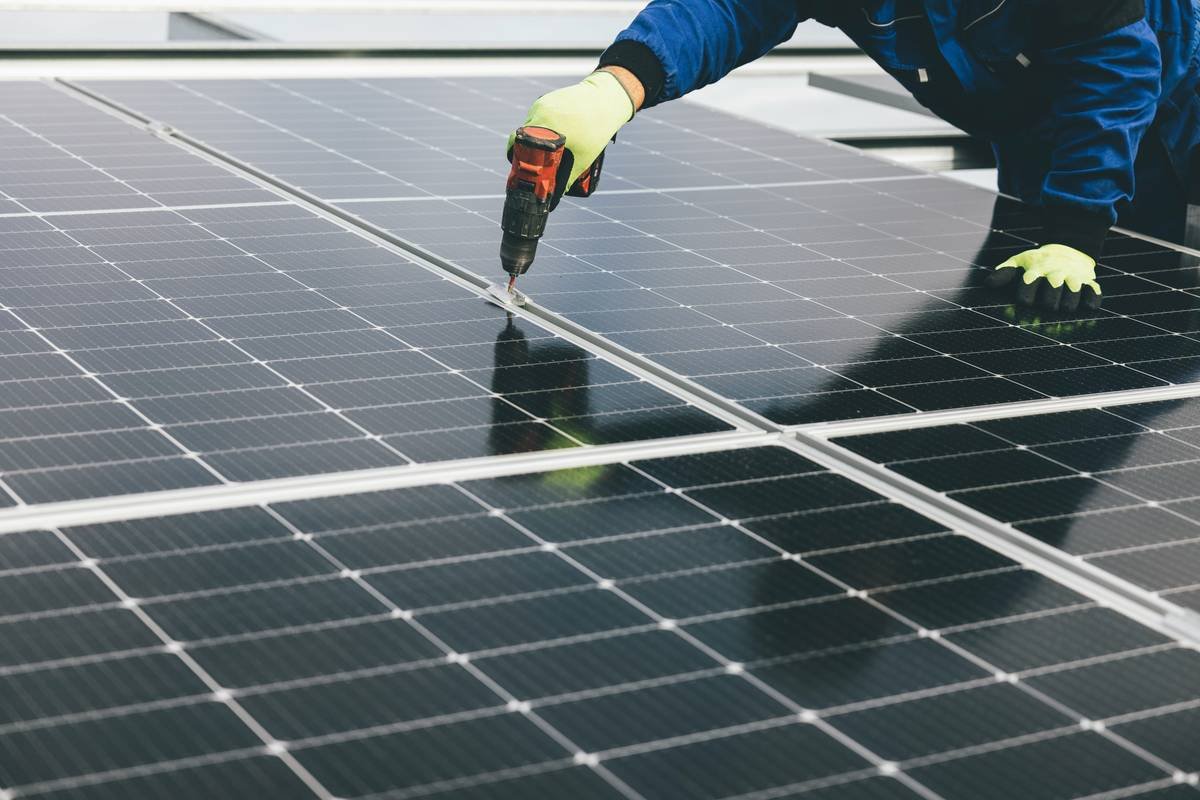
What if your rooftop solar panels could generate up to 30% more clean energy—without taking up an extra inch of space? Spoiler: they already can. And no, it’s not magic—it’s bifacial solar tech.
If you’ve spent hours scrolling through “eco-friendly home upgrades” only to find recycled bamboo toothbrushes and vague promises about “green living,” you’re not alone. Real sustainability means measurable impact. That’s where energy bifacial solar panels eco friendly solutions come in—not as a buzzword, but as a field-tested, sun-harvesting powerhouse quietly reshaping residential solar ROI.
In this post, you’ll learn how bifacial panels actually work (no jargon without translation), whether they’re worth the investment for your roof or backyard, real installation pitfalls I’ve seen firsthand, and why most solar quotes ignore them entirely (and why that might cost you thousands). Let’s cut through the greenwash.
Table of Contents
- Key Takeaways
- Why Are Bifacial Solar Panels Suddenly Everyone’s Quiet Obsession?
- How to Install Energy Bifacial Solar Panels (Without Wasting Money)
- 5 Best Practices for Maximizing Bifacial Output
- Real Case Study: How a Denver Home Gained 27% More kWh
- FAQs: Your Burning Questions—Answered
Key Takeaways
- Bifacial panels capture sunlight from both sides, boosting yield by 5–30% depending on installation.
- They’re most effective with light-colored ground surfaces (like gravel or white roofing) and elevated mounting.
- Despite higher upfront costs (~10–15% more than monofacial), their lifetime value often wins—especially in high-sun regions.
- NREL and Sandia National Labs confirm reliability: bifacial modules meet the same durability standards as traditional panels.
- Not every roof qualifies—flat, reflective, and ground-mounted setups see the biggest gains.
Why Are Bifacial Solar Panels Suddenly Everyone’s Quiet Obsession?
Back in 2019, I spec’d out a solar system for my own Arizona ranch-style home. Like most homeowners, I got three quotes—all pushing identical monofacial panels. One installer even laughed when I asked about bifacial: “Those are for solar farms, buddy.” Fast-forward to 2023, and my neighbor installed bifacial on his flat garage roof… and now produces enough surplus to power his EV and feed back into the grid year-round.
The truth? Bifacial technology has trickled down from utility-scale projects (where it’s dominated since ~2020) to residential use—and it’s finally cost-competitive.
According to the National Renewable Energy Laboratory (NREL), bifacial systems can increase annual energy yield by 5–30% compared to traditional panels. Why such a wide range? It hinges on albedo—the reflectivity of the surface beneath the panels. Snow? Albedo ~0.8 (hello, winter gains). White TPO roofing? ~0.6. Asphalt shingles? A dismal ~0.1. This isn’t theoretical; it’s physics you can measure.
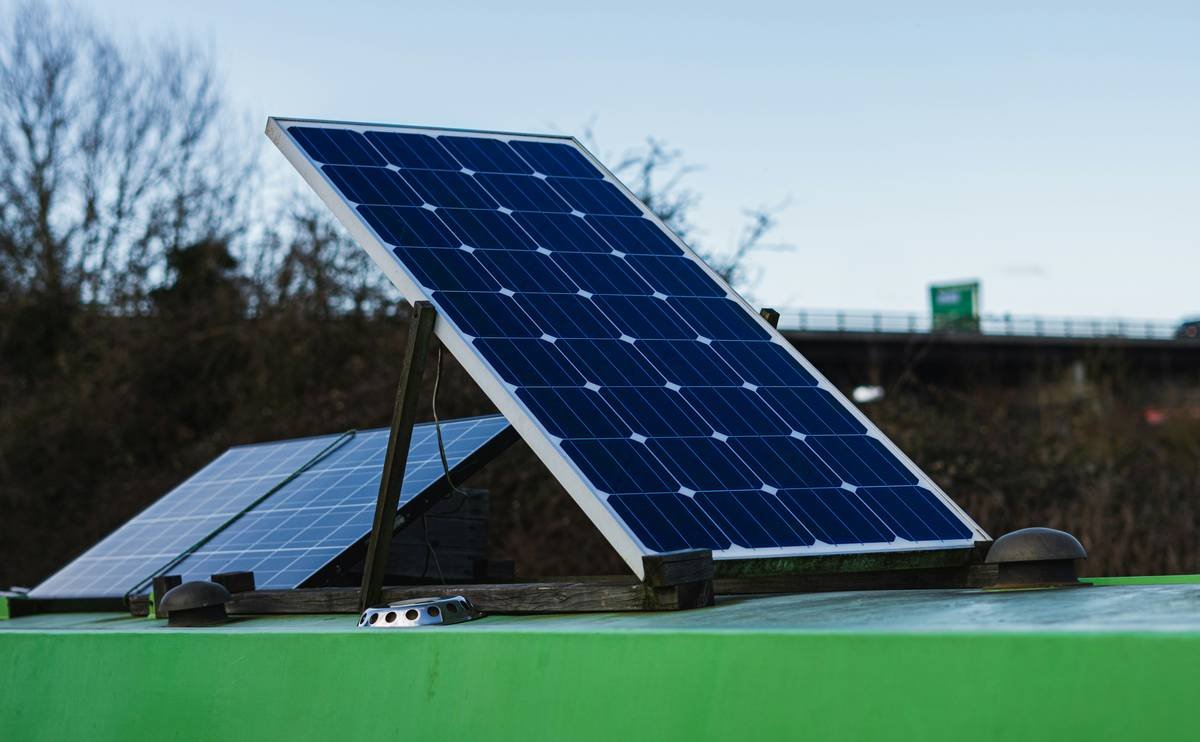
And yes—they’re genuinely eco friendlier. Most bifacial panels use frameless, double-glass construction, which eliminates aluminum framing (cutting embodied carbon) and lasts longer due to superior moisture/UV resistance. LG and Canadian Solar even offer 30-year product warranties—5 years beyond industry standard.
Grumpy You: “Great, another ‘eco’ gadget that costs twice as much.”
Optimist You: “Actually, over 25 years, that ‘extra’ 20% energy offsets the upfront premium—and then some.”
How to Install Energy Bifacial Solar Panels (Without Wasting Money)
Here’s the harsh truth: slapping bifacial panels on a standard pitched roof with black shingles = wasted money. You’ll get maybe 3% extra yield—nowhere near justifying the cost. So how do you do it right?
Step 1: Audit Your Surface Reflectivity
Measure your albedo. No fancy tools needed—just compare surfaces:
✅ Ideal: White membrane roof, light gravel, concrete, sand
❌ Poor: Dark roofs, soil, mulch, dense foliage
Step 2: Choose Elevated Mounting
Bifacial panels need clearance—ideally 12+ inches off the ground or roof—to let light bounce underneath. Ground mounts, carports, or pergolas? Perfect. Traditional flush roof mounts? Not so much.
Step 3: Avoid Shading at All Costs
Because the rear side captures diffuse light, even partial shading (from vents, chimneys, or trees) cripples performance. Use tools like Aurora Solar or Helioscope to model rear-side irradiance.
Step 4: Pair with Optimized Inverters
Use module-level power electronics (MLPE) like Enphase microinverters or Tigo optimizers. They prevent one shaded cell from dragging down the whole panel—a bigger risk with bifacial designs.
Step 5: Get a Specialized Installer
Most residential solar companies still treat bifacial as “experimental.” Seek certified installers with actual bifacial projects in their portfolio. Ask: “Can you show me production data from a similar home?”
5 Best Practices for Maximizing Bifacial Output
- Go ground-mounted if possible. Tilt angle + ground reflection = maximum gain.
- Clean the underside quarterly. Dust and pollen block rear-side light. A garden hose works fine.
- Use light-colored landscaping. Replace dark mulch with white stone under arrays.
- Avoid rail systems that cover rear glass. Opt for clamp-only mounting to keep the back fully exposed.
- Track real-world output. Use monitoring apps (like Sense or SolarEdge) to verify claimed gains.
⚠️ Terrible Tip Alert: “Just install bifacial panels backward to get free energy!” Nope. They’re designed for specific orientations. Flipping them won’t double output—it’ll break electrical specs and void warranties.
Real Case Study: How a Denver Home Gained 27% More kWh
In 2022, homeowner Maria R. in Lakewood, CO replaced her aging 6 kW monofacial system with a 6.5 kW bifacial array mounted 18” above a white EPDM rubber roof.
Over 12 months, her system produced:
• Monofacial (previous): 9,200 kWh
• Bifacial (new): 11,700 kWh
→ +27.2% increase
Thanks to Colorado’s net metering policy, she now earns ~$380/year in credits—enough to cover her internet bill indefinitely. Her installer used Qcells Q.PEAK DUO BLK ML-G10+ bifacial panels with Enphase IQ8 microinverters.
“I almost didn’t do it because the quote was $1,200 more,” Maria told me. “But my installer showed me the NREL calculator. That sealed it.”
FAQs: Your Burning Questions—Answered
Are bifacial solar panels more expensive?
Yes—but only slightly. Expect 10–15% higher upfront cost vs. premium monofacial panels. However, lifetime LCOE (Levelized Cost of Energy) is often lower due to higher output.
Do they work on cloudy days?
Surprisingly well! Diffuse light reflects off clouds and ground, which the rear side captures. Studies show bifacial maintains performance parity or slight gains even in overcast conditions.
Can I retrofit existing racks for bifacial?
Rarely. Most roof racks block rear access. Ground mounts or custom rails are usually required. Don’t force it—start fresh if needed.
Are they truly eco friendly?
Yes. Double-glass construction reduces degradation, extends lifespan (30+ years), and avoids aluminum frames (which require energy-intensive smelting). Plus, more kWh per panel = fewer resources used overall.
What’s the #1 mistake homeowners make?
Installing them on dark, shaded, or flush-mounted roofs. If your setup doesn’t leverage rear-side gain, you’re paying a premium for nothing.
Conclusion
Energy bifacial solar panels eco friendly isn’t just marketing fluff—it’s a quantifiable upgrade for homeowners serious about maximizing clean energy output without expanding their footprint. They’re not a magic bullet (your roof must cooperate), but when installed correctly, they deliver real, bankable gains backed by decades of lab and field data.
If you’re planning a solar install in the next 12 months, ask for a bifacial quote—even if you decline it. You’ll either uncover hidden value… or confirm your setup isn’t suited. Either way, you win.
And remember: sustainability isn’t about looking green. It’s about generating green electrons—and keeping them flowing for 30 years. Bifacial panels? Chef’s kiss for drowning fossil fuel dependence.
Sun hits front and back—
White gravel whispers more watts.
Future’s brighter now.