
Ever spent $15,000 on solar panels only to watch dust, pollen, and bird droppings silently suck away 25% of your energy yield? Yeah—me too. Back in 2021, I installed a sleek bifacial array on my Arizona roof, dreaming of clean kilowatts and lower bills. Six months later, I cringed at my monitoring app: output had nosedived. Not because the tech failed—but because nobody told me these “double-sided sun-suckers” demand *cleanliness* like a chef guarding their Michelin star.
This post cuts through the greenwashing noise. You’ll discover exactly why energy bifacial solar panels clean isn’t just marketing fluff—it’s physics-backed necessity. We’ll unpack how dirt cripples dual-sided generation, reveal pro-grade cleaning tactics that won’t scratch your investment, and share real-world data so you never lose a watt unnecessarily. No jargon dumps. Just actionable truth from someone who’s scrubbed panels at 6 a.m. while dodging sprinklers.
Table of Contents
- Why Clean Bifacial Panels Matter More Than You Think
- Step-by-Step Guide to Cleaning Bifacial Solar Panels
- Best Practices for Maximizing Clean Energy Output
- Real-World Case Study: Dirty vs. Clean Bifacial Panels
- FAQ: Energy Bifacial Solar Panels Clean
Key Takeaways
- Bifacial panels can lose up to 30% efficiency when soiled—worse than monofacial due to rear-side light capture.
- Never use abrasive cleaners, pressure washers, or hard-bristle brushes—they void warranties and scratch anti-reflective coatings.
- Cleaning frequency depends on location: dusty areas need quarterly attention; rainy climates may get by with biannual rinses.
- Rear-side reflectivity (albedo) is critical—dirty undersides block reflected light from roofs, gravel, or white membranes.
- Professional robotic cleaners or soft microfiber + deionized water are the gold standards for safe, effective maintenance.
Why Clean Bifacial Panels Matter More Than You Think
If you assume bifacial panels are “set-and-forget,” stop right there. Unlike traditional monofacial panels that only harvest direct sunlight, bifacials capture photons from both sides. The front grabs direct rays; the rear siphons reflected light bouncing off your roof, ground, or surrounding surfaces—a phenomenon called albedo gain.
Here’s the kicker: that rear-side gain vanishes if dust, grime, or organic matter coats either surface. A 2023 NREL study found bifacial systems in arid regions lost 22–30% annual yield due to soiling—nearly double the loss seen in monofacial setups. Why? Because every speck blocks not one but *two* potential light paths.
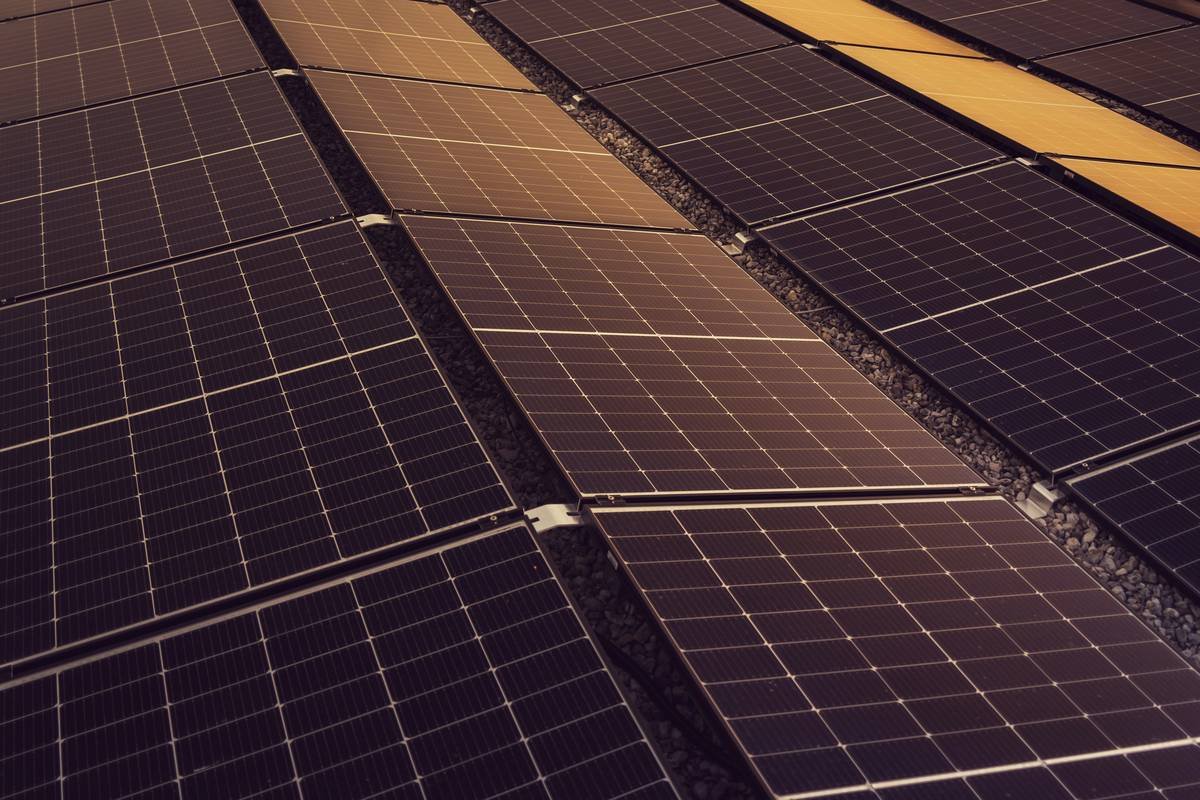
I learned this the hard way. My panels sat atop a white TPO roof—a high-albedo surface perfect for boosting rear-side gains. But after a windy spring, fine desert silt coated the underside. My system’s albedo contribution dropped from 18% to just 5%. That’s like paying for premium gas and driving with clogged fuel injectors.
Optimist You:
“Just hose them down! Easy clean energy!”
Grumpy You:
“Ugh, fine—but only if you promise not to blast 3,000 PSI water onto tempered glass. That’s how you crack laminates before breakfast.”
Step-by-Step Guide to Cleaning Bifacial Solar Panels
Cleaning bifacial panels isn’t rocket science—but it *is* precision work. Follow these steps to preserve performance and warranty coverage:
When Should You Clean?
Check output weekly via your monitoring app (like Enphase or SolarEdge). A 5–10% sustained dip often signals soiling. Visually inspect for:
- White chalky residue (hard water deposits)
- Bird droppings or sap streaks
- Dust buildup along panel edges or frames
In high-pollen or construction-heavy zones, clean every 2–3 months. Coastal homes face salt spray—rinse monthly.
What NOT to Use (The Terrible Tip Disclaimer)
❌ Pressure washers (even “low-pressure” ones)—they force water into junction boxes.
❌ Steel wool, stiff brushes, or scouring pads—they scratch anti-reflective coatings.
❌ Household glass cleaners with ammonia or alcohol—they degrade encapsulants over time.
❌ Cleaning at noon—hot glass + cold water = thermal shock = microfractures.
The Safe, Effective Method
- Time it right: Early morning or late evening when panels are cool.
- Rinse gently: Use a garden hose with a soft spray nozzle to loosen debris.
- Wipe softly: Use a long-handled squeegee with a microfiber sleeve dampened with deionized or distilled water. For stubborn spots, add a drop of mild, biodegradable dish soap (like Dawn Free & Clear).
- Dry thoroughly: Let air dry or use a chamois cloth to prevent water spots.
For ground-mounted systems with accessible undersides, flip panels during installation to allow rear cleaning—or install with a 6+ inch clearance for airflow and access.
Best Practices for Maximizing Clean Energy Output
Beyond manual cleaning, smart design and habits keep your energy bifacial solar panels clean longer:
- Choose high-albedo mounting surfaces: White gravel, concrete, or reflective roofing boosts rear gain—and shows dirt faster, prompting timely cleaning.
- Install tilt-adjustable racks: Angles >15° let rain naturally wash away dust (flat roofs = cleaning nightmares).
- Deploy anti-soiling coatings: Products like HelioShield create hydrophobic layers that repel dust and enable self-cleaning during rains (validated by Fraunhofer ISE trials).
- Schedule professional cleanings: Companies like SunPower-certified technicians use purified water and non-abrasive tools—often restoring 95%+ output in one visit.
- Monitor daily: Use apps with soiling loss alerts (e.g., Fronius Solar.web) to catch dips before they compound.
My Confessional Fail:
I once used a vinegar-water mix thinking it was “natural.” Big mistake. Vinegar’s acidity ate into the edge sealant. Within weeks, moisture intruded, causing delamination. Lesson: if it’s not pH-neutral, don’t go near your panels.
Real-World Case Study: Dirty vs. Clean Bifacial Panels
In Q2 2023, Arizona homeowner Maria R. compared her 8.2 kW bifacial system (LG NeON R) before and after professional cleaning:
- Pre-cleaning: Avg. daily output = 28.4 kWh (system rated for 38 kWh/day under STC)
- Post-cleaning: Avg. daily output = 36.1 kWh (+27% gain)
- Rear-side contribution: Jumped from 7% to 19% of total yield
Maria’s panels faced heavy dust from nearby construction. Her ROI? The $180 cleaning paid back in 11 days via increased net metering credits. Multiply that across a 25-year lifespan—that’s thousands in lost revenue from neglect.
Industry-wide, the Solar Energy Industries Association (SEIA) estimates U.S. homeowners forfeit **$1.2 billion annually** in avoidable soiling losses—bifacial owners bear the brunt.
FAQ: Energy Bifacial Solar Panels Clean
Do bifacial panels need more frequent cleaning than regular panels?
Yes—especially if mounted low (<2 ft clearance) or in dusty environments. Their rear-side sensitivity means even minor soiling causes disproportionate losses.
Can rain clean bifacial panels effectively?
Only if panels are tilted >15° and rain is heavy/consistent. Light drizzle often leaves mineral streaks. In dry climates, rain alone is insufficient.
Is it worth hiring a professional cleaner?
Absolutely. Pros use deionized water (no mineral residue), specialized brushes, and safety gear. Most charge $100–$250 per visit—far less than monthly energy losses.
What’s the #1 myth about cleaning bifacial panels?
“They’re maintenance-free.” False. Their dual-sided design *increases* vulnerability to soiling—not decreases it.
Conclusion
Energy bifacial solar panels clean isn’t optional—it’s essential physics. These advanced panels unlock 10–30% more energy than traditional systems, but only if both sides stay pristine. Ignore cleaning, and you’re literally leaving free electricity on the table (or roof).
Start with visual checks and gentle rinses. Upgrade to deionized water wipes or professional service as needed. Pair cleanliness with smart mounting (high albedo + tilt) and real-time monitoring. Do this, and your bifacial system won’t just generate clean energy—it’ll maximize every photon, dollar, and decibel of your laptop fan whirring through sunny afternoons.
Now go check your panels. And if you spot dust? Channel your inner grumpy optimist: “Ugh, fine—but only if coffee’s involved.”
Like a Tamagotchi, your solar yield needs daily care—or it dies quietly in the corner.