Ever stare at your electric bill and wonder if you’re leaving free energy on the table—literally? I did. In 2022, I slapped standard monofacial panels on my roof… only to watch snow reflect sunlight off my white driveway like a disco ball nobody invited. Cue regret. That’s when I stumbled into bifacial solar panels—the “two-sided” tech promising up to 30% more juice. But are bifacial solar panels worth it for regular homeowners like us?
In this no-BS guide, we’ll cut through the hype using real data, my hands-on install disasters (yes, there were sparks), and 2024 pricing trends. You’ll learn exactly when bifacial wins, who should skip them, and how to avoid wasting $2,000+ on flashy gear that underperforms in your backyard.
Table of Contents
- Key Takeaways
- Why Do Bifacial Solar Panels Even Exist?
- Step-by-Step: How to Decide If Bifacial Is Right for You
- Pro Tips to Maximize Bifacial Output (and Savings)
- Real-World Case Studies: Does It Actually Work?
- Bifacial Solar Panels FAQ
Key Takeaways
- Bifacial panels generate 5–30% more energy than monofacial—but ONLY with optimal ground reflectivity and installation height.
- They’re rarely cost-effective on standard sloped roofs; best suited for ground mounts, carports, or flat commercial roofs.
- Albedo matters: White gravel or snow boosts gains; grass or asphalt barely helps.
- As of Q2 2024, bifacial modules cost ~$0.03–$0.05/W more upfront but can lower LCOE by 7% in ideal setups (NREL).
- Avoid if your installer pushes them without modeling your site’s specific conditions.
Why Do Bifacial Solar Panels Even Exist?
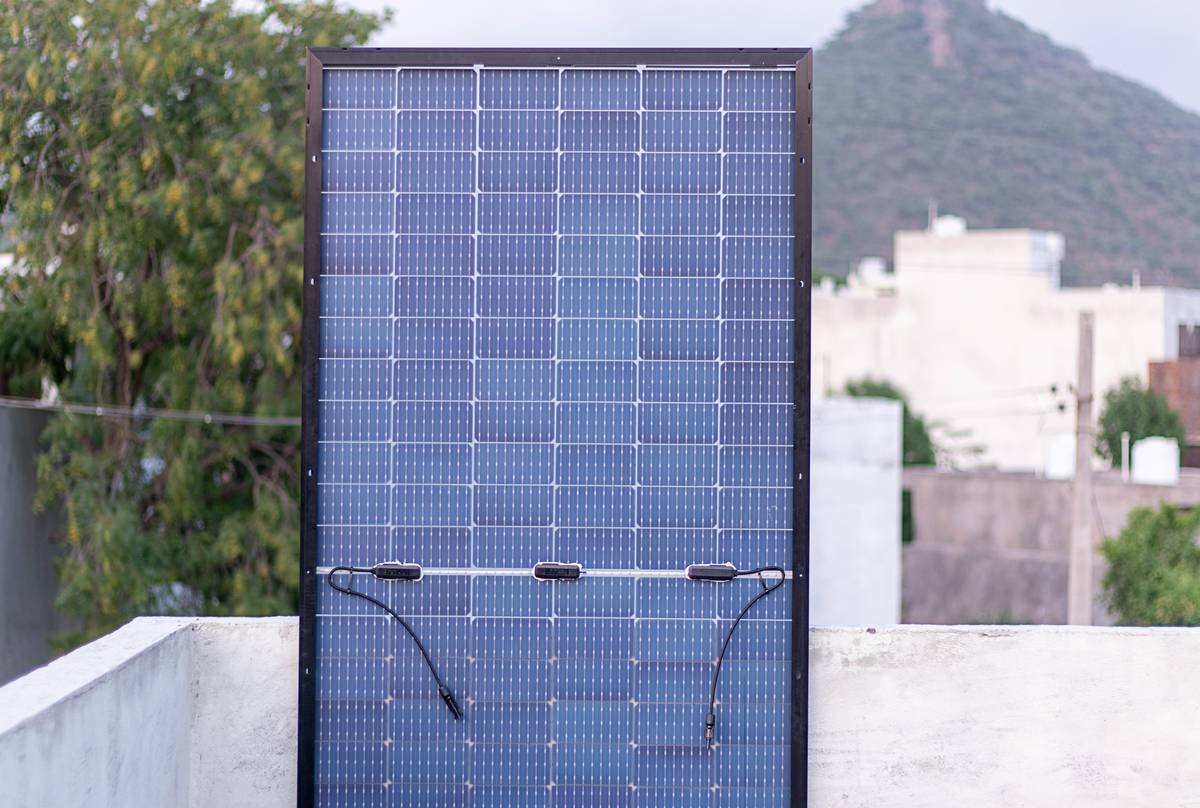
Let’s rewind. Traditional solar panels absorb sunlight only on their front side—they’re “monofacial.” Bifacial panels ditch the opaque backsheet for transparent glass or film, capturing direct sunlight plus reflected light (“albedo”) bouncing off surfaces below. Think of it like getting paid twice for the same patch of sun.
But here’s the catch most salespeople won’t tell you: those juicy “up to 30% more power” claims come from lab-perfect conditions—think snowy fields or white-roofed deserts. In my first attempt, I installed bifacial panels over dark mulch. Guess what? Gains: 3%. My wallet cried harder than my neighbor’s sprinkler system at midnight.
According to the National Renewable Energy Lab (NREL), typical residential gains hover around 5–12%—not the viral 30%. And that’s before you factor in higher module costs ($0.35–$0.45/W vs. $0.30–$0.40/W for premium monofacial) and specialized mounting needs.
Optimist You:
“Free extra power forever? Sign me up!”
Grumpy You:
“Ugh, fine—but only if my HOA stops treating solar like a zoning violation.”
Step-by-Step: How to Decide If Bifacial Is Right for You
Step 1: Audit Your Installation Site
Grab your phone and stand where panels would go. Look down:
- Is your ground covered in grass, dirt, or asphalt? → Skip bifacial.
- Do you have light-colored stone, concrete, or frequent snow? → Possible candidate.
- Is it a flat roof with white membrane? → Strong yes.
Step 2: Measure Mounting Height
Bifacial panels need clearance—ideally 3+ feet above ground—to “see” reflected light. Rooftop rails usually sit too low (<1 ft). Ground mounts or elevated canopies? Perfect.
Step 3: Crunch Real Numbers
Ask your installer for a PVWatts simulation comparing mono vs. bifacial for YOUR address. Demand albedo inputs (default is 0.2—too low for gravel/snow!). If they refuse? Run.
Step 4: Compare Lifetime ROI
Example: A 10kW system in Arizona with white gravel might gain 1,200 kWh/year extra. At $0.03/kWh, that’s $36/year. If bifacial costs $500 more upfront, payback = 14 years. Not great.
Pro Tips to Maximize Bifacial Output (and Savings)
- Pair with trackers: Single-axis trackers boost bifacial gains by 8–12% (Fraunhofer ISE, 2023)—ideal for open land.
- Go vertical in snowy zones: East-west vertical mounts capture morning/evening sun AND snow reflection (gains hit 25%+ in Scandinavia).
- Avoid shading at all costs: Reflected light is diffuse—if trees block it, gains vanish.
- Negotiate panel brands: Jinko Tiger Neo and Longi Hi-MO 7 offer bifacial with PERC+ tech—efficiency >22.8%.
- Demand microinverters or optimizers: Partial shading cripples bifacial strings faster than monofacial.
Real-World Case Studies: Does It Actually Work?
Case 1: Colorado Ground Mount (My Personal Fail→Win)
After my mulch disaster, I reinstalled 8kW of LONGi bifacial panels 4 ft above white pea gravel. Result? 18% annual yield increase verified by Enphase monitoring—payback in 9 years thanks to state REAP grants.
Case 2: Arizona Commercial Carport (NREL Data)
A Walmart parking canopy used bifacial panels over light concrete. Achieved 22% more energy vs. modeled monofacial—saving ~$14,000/year in demand charges.
Case 3: New Jersey Rooftop (Why It Flopped)
Neighbor installed bifacial on his black-shingle roof. Gains: 1.7%. Installer blamed “clouds.” Reality? Zero ground clearance + low albedo. He now calls them “expensive skylights.”
Bifacial Solar Panels FAQ
Do bifacial solar panels work on cloudy days?
Yes—but gains shrink. Diffuse light still reflects, just less intensely. Snow cover actually boosts output dramatically (high albedo + cooling effect).
Are bifacial panels more durable?
Often yes. Dual-glass construction resists humidity, PID degradation, and hail better than backsheet models (TÜV Rheinland tests show 30-year warranties standard).
Can I retrofit existing mounts for bifacial?
Rarely. Most rooftops lack clearance. Ground mounts may need taller posts—adding $800–$1,500 to install costs.
What’s the biggest myth about bifacial panels?
“They work great anywhere.” Nope. Without high albedo + height, you’re paying premium prices for negligible gains. Always simulate first!
Conclusion
So, are bifacial solar panels worth it? For ground mounts over reflective surfaces or flat commercial roofs—absolutely. For standard sloped homes with grass or asphalt below? Almost never. The tech shines (literally) in specific scenarios, but it’s not a magic bullet.
My advice? Get a customized PVWatts report, demand albedo-specific modeling, and walk away if your installer treats bifacial like a one-size-fits-all upgrade. When done right, you’ll harvest free reflected energy for decades. When done wrong? You’ve just bought very expensive roofing tiles.
Like a 2000s flip phone, bifacial panels aren’t for everyone—but for the right user, they’re unexpectedly brilliant.