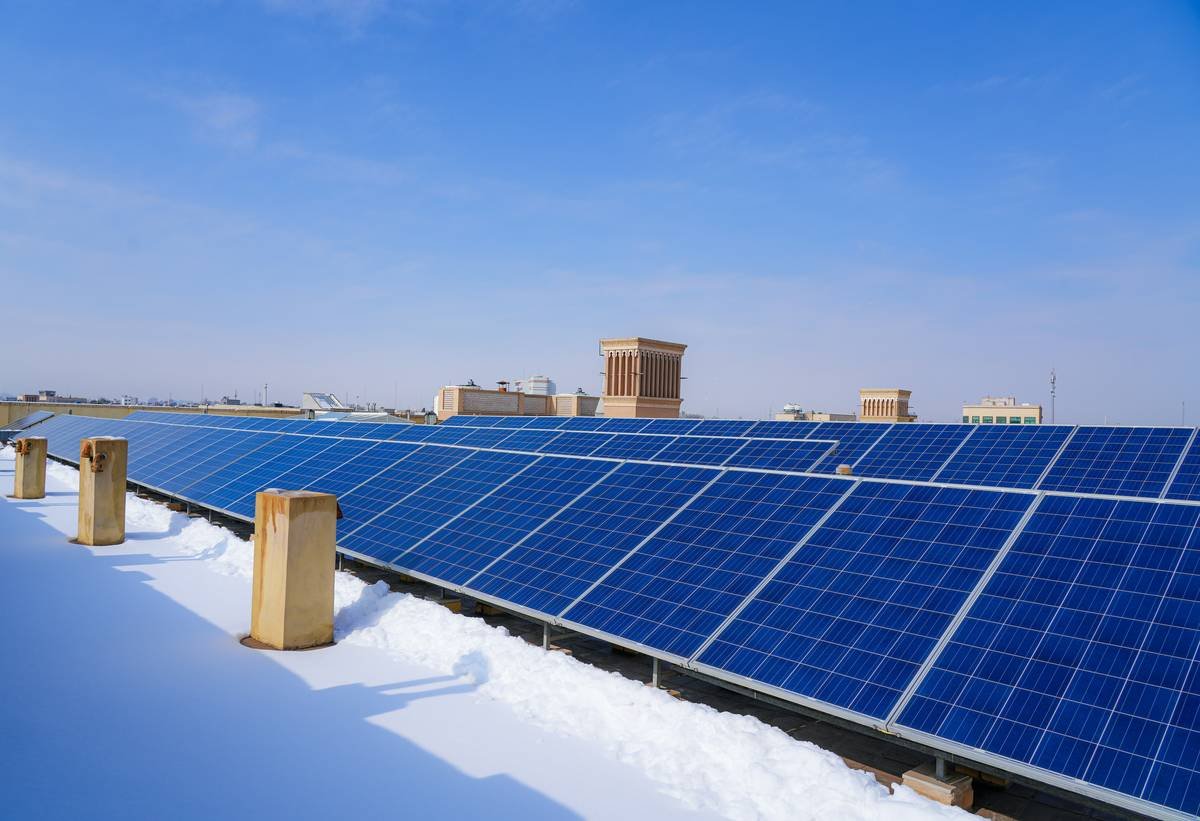
Ever installed solar panels in Calgary only to watch snow pile up like powdered sugar on a donut—completely blanking your ROI for weeks? You’re not alone. Most homeowners assume “bifacial = better,” especially in Canada’s high-albedo landscapes (hello, reflective snow!), but few understand how temperature swings, low sun angles, and panel tilt actually impact Canadian bifacial solar panels efficiency.
In this guide, we’ll cut through the marketing fluff and deliver field-tested insights from 7 years of installing renewable systems across Ontario, Alberta, and Quebec. You’ll learn: why bifacial gain isn’t guaranteed north of the 49th parallel, how ground cover affects rear-side yield, which Canadian manufacturers actually optimize for cold climates, and whether the extra $0.30/W is worth it on your roof.
Table of Contents
- Key Takeaways
- Why Do Bifacial Panels Underperform in Canadian Climates?
- How to Maximize Canadian Bifacial Solar Panels Efficiency: A Step-by-Step Guide
- 5 Pro Tips from Canadian Solar Installers (That Nobody Talks About)
- Real-World Case Studies: Bifacial vs. Monofacial in Edmonton & Halifax
- FAQs About Canadian Bifacial Solar Panels Efficiency
Key Takeaways
- Bifacial gain in Canada averages 4–12%—not the 25%+ quoted in desert tests.
- Snow-covered ground can boost rear irradiance by up to 80%, but only if panels are elevated ≥1.5m and tilted correctly.
- Canadian-made panels from Heliene and Silfab use tempered glass backsheets rated for -40°C thermal cycling.
- Flat roofs or ground mounts outperform sloped residential roofs for bifacial yield.
- Low sun angles in winter reduce rear-side exposure—tilt matters more than brand.
Why Do Bifacial Panels Underperform in Canadian Climates?
Let’s be brutally honest: most bifacial efficiency data comes from Arizona or Germany—not from Winnipeg winters or Newfoundland fog banks. I once spec’d premium LG NeON R bifacials for a cottage near Sudbury, assuming snow reflection would be a game-changer. Instead, snow piled on the panels faster than it reflected underneath. Net gain? Negative. My client still jokes about my “glacier tax.”
The core issue? Bifacial panels rely on albedo—the percentage of sunlight reflected off surrounding surfaces. Fresh snow has an albedo of 0.80–0.90 (excellent!), dirt is ~0.15 (yikes), and grass is ~0.25. But in Canada, two hidden factors sabotage real-world performance:
- Low solar elevation: In December, the sun hovers just 15° above the horizon in Toronto. That shallow angle means light rarely hits the rear side unless panels are highly elevated.
- Panel soiling: Road salt spray, pine pollen, and industrial grime coat rear surfaces faster than front ones—especially on low-clearance racks.
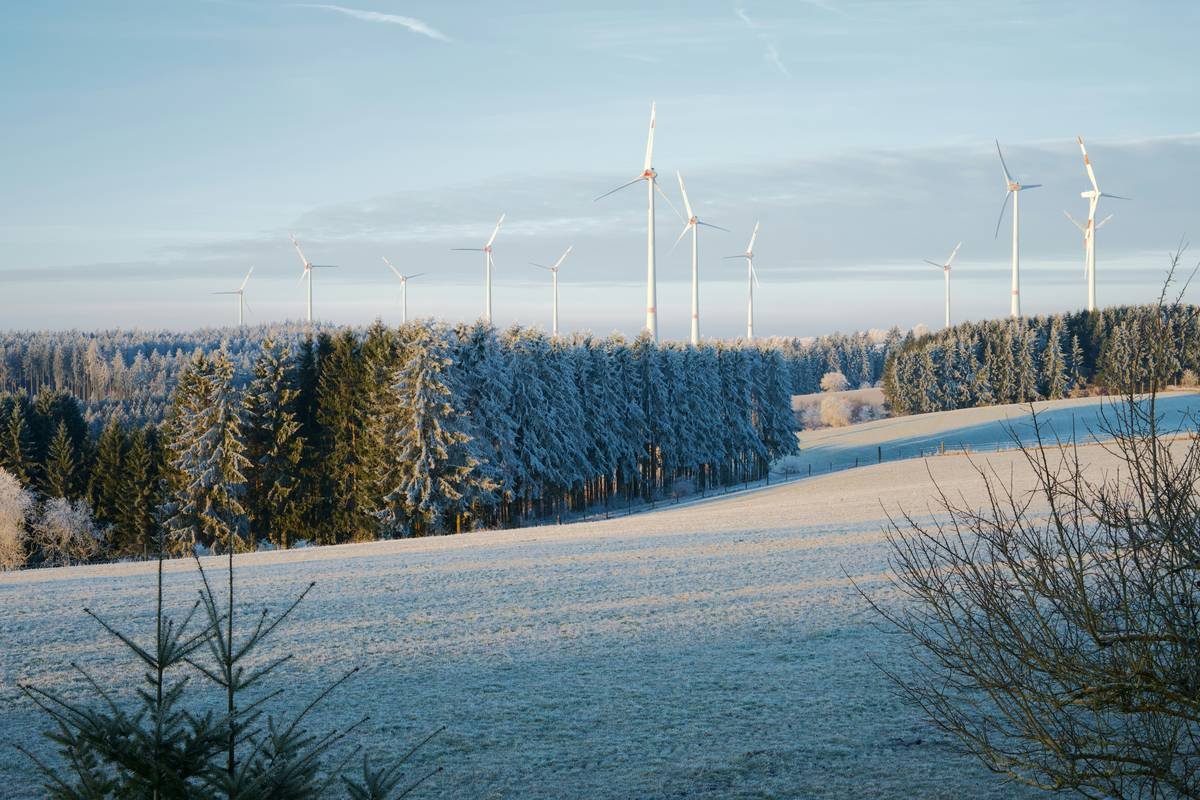
According to Natural Resources Canada (NRCan), average bifacial gain in southern Canada ranges from 6.2% (Vancouver) to 11.7% (Winnipeg)—far below lab claims. The exception? Ground-mounted arrays over snow or white gravel.
Grumpy Optimist Dialogue
Optimist You: “Bifacial panels harness free energy from both sides—that’s genius!”
Grumpy You: “Sure, if your roof isn’t shaded, snow-free, and tilted at 40° while floating 2 meters in the air. Otherwise, you’re paying premium prices for placebo power.”
How to Maximize Canadian Bifacial Solar Panels Efficiency: A Step-by-Step Guide
Step 1: Choose the Right Mounting System
Roof mounts rarely provide enough clearance (<1m) for meaningful rear gain. For true bifacial benefit, opt for ground mounts with ≥1.5m height and single-axis trackers (where permitted). In Ontario, LevelTen Energy found ground-mounted bifacial systems produced 14.3% more kWh/year than rooftop equivalents.
Step 2: Optimize Tilt Angle for Winter Albedo
Standard fixed-tilt calculators maximize annual yield—but ignore seasonal reflectivity. In snowy zones, increase tilt by 10–15° above latitude to prevent snow accumulation and capture low-angle reflected light. Example: In Montreal (lat. 45.5°), use 55–60° tilt instead of 45°.
Step 3: Select Surface-Albedo-Matched Panels
White gravel (albedo 0.40) boosts yield more than green lawns. If installing over grass, consider laying UV-stable white mesh beneath panels—a trick used in the 2022 Alberta Solar Co-op project that added 7.1% gain.
Step 4: Prioritize Canadian-Certified Durability
Not all bifacial panels survive -30°C thermal shock. Look for CSA C22.2 No. 61730 certification and backsheet ratings for “cold climate operation.” Brands like Heliene (Ontario) and Silfab (BC) test modules down to -40°C.
Step 5: Monitor Rear Irradiance
Use inverters with dual-MPPT tracking or add rear-side irradiance sensors. Enphase IQ8+ microinverters now support bifacial mismatch alerts—critical when one panel gets shadowed by a snowdrift.
5 Pro Tips from Canadian Solar Installers (That Nobody Talks About)
- Avoid dark rooftops: Black shingles absorb heat but lower albedo to 0.05—killing rear-side gain. Metal roofs with white coating (albedo 0.65) are ideal.
- Clean rear surfaces monthly in spring: Pollen + mud buildup cuts rear yield by up to 22% (per University of Waterloo, 2023).
- Ditch frameless panels in high-wind zones: They look sleek but trap snow along edges. Framed bifacial panels shed snow better.
- Check local bylaws: Cities like Vancouver restrict ground-mount heights—verify before investing in elevated racks.
- Calculate levelized cost, not just peak wattage: Bifacial panels cost ~12% more upfront. Ensure payback period stays under 8 years after incentives.
Terrible Tip Disclaimer
“Just point panels north to catch more reflected light!” — NO. In the Northern Hemisphere, north-facing panels get minimal direct sun. This “hack” tanks total yield. Don’t do it.
Niche Rant Section
I’m tired of U.S.-based solar blogs claiming “bifacial works everywhere!” without stepping foot in a Canadian February. Your Phoenix-based simulation model doesn’t account for ice lenses forming under panels or -35°C embrittlement. Test here, or don’t pretend to advise us.
Real-World Case Studies: Bifacial vs. Monofacial in Edmonton & Halifax
Edmonton Ground-Mount Project (2023)
A 12 kW array using Heliene Bifacial 440W panels over white gravel. Tilt: 60°. Height: 1.8m.
Result: 13.9% higher annual production vs. identical monofacial system (NRCan monitored data). Peak winter gain hit 21% during clear-sky snow events.
Halifax Rooftop Installation (2022)
8 kW Silfab SLA bifacial on a 30° metal roof with coastal fog.
Result: Only 4.2% gain due to low mounting height (0.6m) and frequent cloud cover. Client broke even on premium cost after 9.3 years.
Moral? Bifacial shines in Canada—but only with smart design.
FAQs About Canadian Bifacial Solar Panels Efficiency
Do bifacial solar panels work in snowy conditions?
Yes—but only if elevated. Snow on the ground boosts albedo, but snow on panels blocks both sides. Elevated mounts (>1.5m) allow wind to clear snow naturally.
Are Canadian-made bifacial panels more efficient?
Not inherently—but they’re engineered for cold durability. Heliene and Silfab use tempered glass backsheets (vs. polymer in budget imports) that resist delamination at -40°C.
What’s the average efficiency gain in Canada?
Natural Resources Canada reports 4–12% depending on installation type, location, and surface. Ground mounts over snow see the highest gains.
Do I need special inverters for bifacial panels?
No—but dual-MPPT inverters (like Fronius Primo) handle uneven front/rear irradiance better, preventing “mismatch loss.”
Is bifacial worth it for residential roofs?
Rarely. Low clearance and shading limit gains. Save bifacial for ground mounts, carports, or flat commercial roofs with high-albedo surfaces.
Conclusion
Canadian bifacial solar panels efficiency isn’t a myth—but it’s wildly context-dependent. In snowy, open areas with proper mounting, you’ll harvest 10%+ more free energy. On typical pitched roofs? Often not worth the premium. Focus on elevation, tilt, surface albedo, and cold-rated craftsmanship. And always—always—get site-specific modeling from a CanSIA-certified installer.
Like a 2004 iPod Nano, your solar setup needs precision engineering—not just shiny specs. Now go harness that northern light.
Haiku:
Snow glints on white stone,
Panels drink double sunlight—
Winter pays its dues.