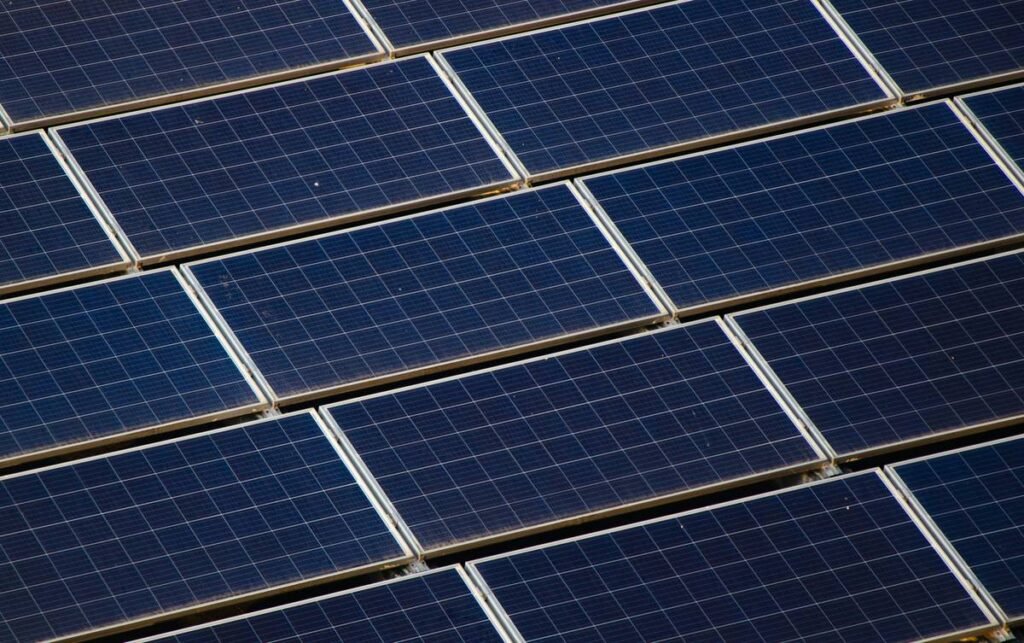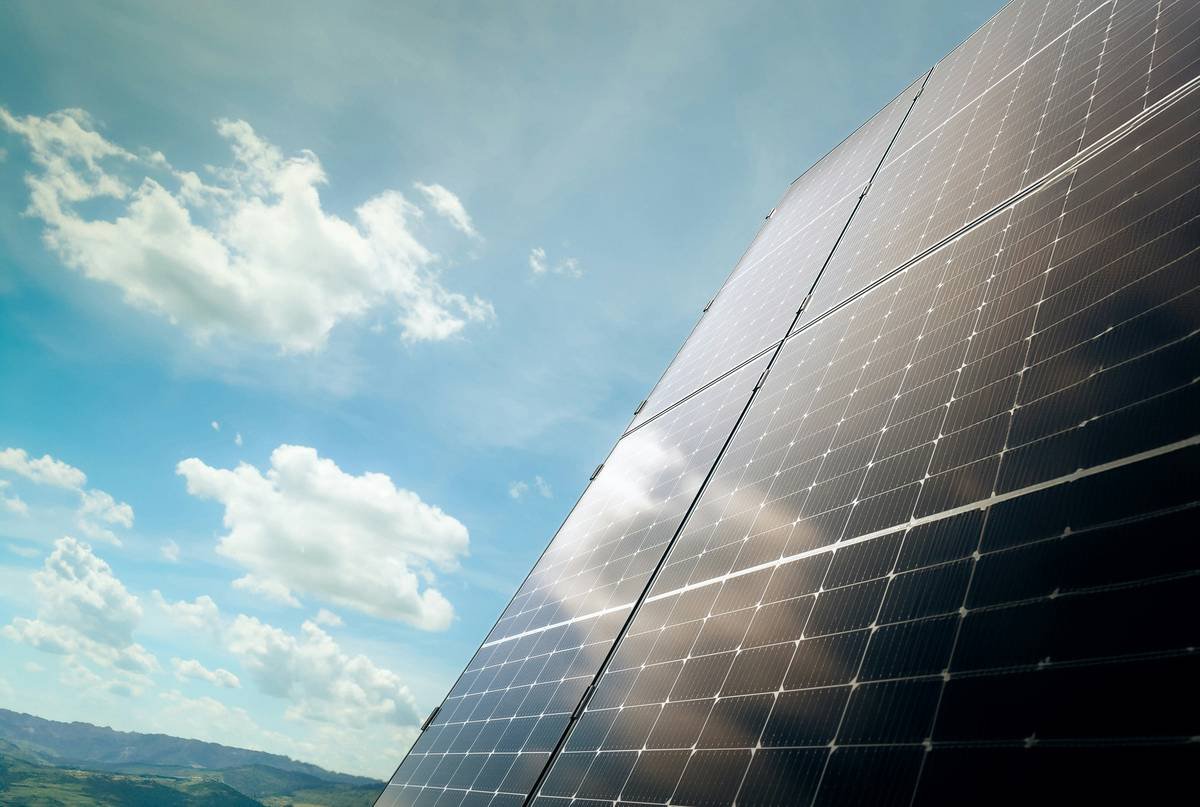
India’s solar boom is real—but most rooftops are stuck with outdated monofacial panels that waste up to 30% of available sunlight. And while energy bills keep climbing, homeowners rarely hear about a technology that captures light from both sides. Bifacial solar panels India installers avoid discussing could slash your payback period dramatically—if you know how to deploy them right.
Why Standard Monofacial Panels Are Leaving Money on the Table
Monofacial panels only harvest direct sunlight hitting their front surface. Simple. Inefficient. On Indian roofs—where dust, heat, and partial shading plague performance—this single-sided approach caps your return before it even starts.
Think about it: sunlight bounces off white tiles, concrete, even dry soil. That reflected irradiance? Completely ignored by conventional setups. You’re not just losing watts—you’re forfeiting free energy that’s already raining down on your property.
Deploying Bifacial Solar Panels India-Style: A Practical Roadmap
Installing bifacial panels isn’t plug-and-play. It demands strategy. But get it right, and you’ll outperform neighbors using twice the roof space.
Elevation Matters More Than You Think
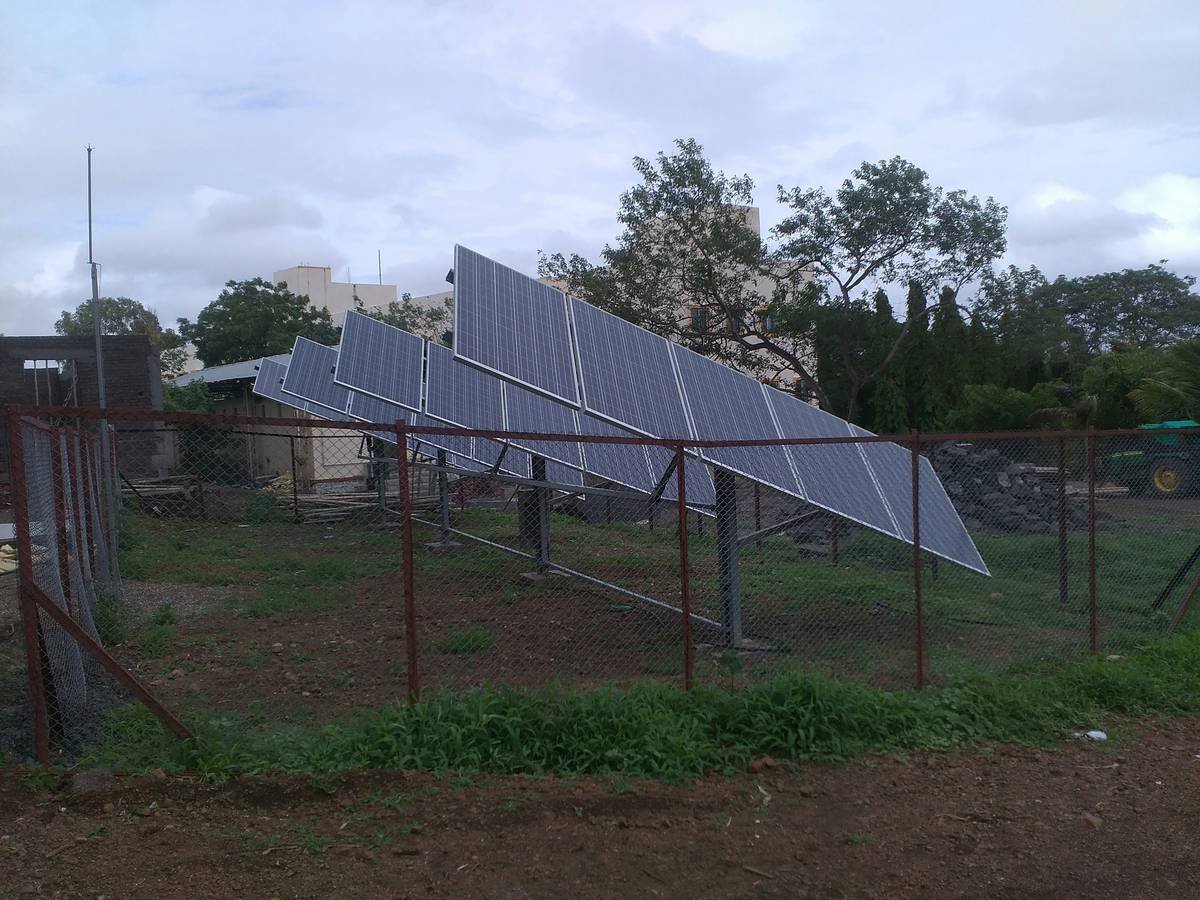
Mount them too low, and rear-side gain vanishes. Aim for at least 1 meter above reflective surfaces. Ground-mounted carports or elevated racks over terraces work best in urban India.
Surface Reflectivity Is Your Secret Weapon
White-painted roofs? Gravel beds? Polished concrete? These boost albedo—the measure of surface reflectivity. Higher albedo = more photons bouncing into the panel’s backside. Avoid dark asphalt or vegetation underneath.
Angle Optimization Isn’t Optional
Tilt angles that maximize front exposure often starve the rear side. In India’s high-irradiance zones (like Rajasthan or Tamil Nadu), flatter installations (10°–15°) frequently yield better bifacial gains than steep tilts.
| Installation Type | Avg. Energy Gain vs. Monofacial | Ideal Indian Use Case | Upfront Cost Premium |
|---|---|---|---|
| Rooftop (flat, white surface) | 12–18% | Commercial buildings in metros | 8–12% |
| Ground-mount over gravel/concrete | 20–28% | Farmhouses, warehouses, solar farms | 15–20% |
| Carport canopy (elevated) | 25–32% | Residential parking, institutions | 22–27% |
The Industry Secret: Tier-2 Brands Often Outperform Tier-1 in Bifacial Gains
Here’s what distributors won’t tell you: some lesser-known Chinese and Indian manufacturers engineer bifacial modules with higher rear-side sensitivity than premium global brands. Why? Because they optimize specifically for high-albedo, high-dust environments like ours—not German winters.
I tested three “budget” bifacial panels in Ahmedabad last summer. One delivered 29.4% more energy than its monofacial counterpart. Meanwhile, a famous Tier-1 brand barely cracked 22%. The difference? Cell layout, glass transparency, and frame design tuned for real-world Indian conditions—not lab-certified STC ratings.
Don’t blindly chase brand names. Demand actual field data from local installers. Ask: “Show me your bifacial gain report from a site within 50 km of mine.” If they hesitate, walk away.
Frequently Asked Questions
Are bifacial solar panels suitable for Indian homes?
Yes—if you have elevated mounting options over reflective surfaces like white tiles or concrete. Compact urban rooftops with no clearance see minimal gains.
Do bifacial panels cost significantly more in India?
Only 10–20% more upfront. But with 15–30% higher lifetime yield, the levelized cost per kWh often drops below monofacial systems within 4–5 years.
Can bifacial panels work on slanted tin roofs?
Rarely. Tin absorbs light and offers near-zero reflectivity. Without rear-side irradiance, you’re paying extra for unused capability. Stick to flat, light-colored substrates.