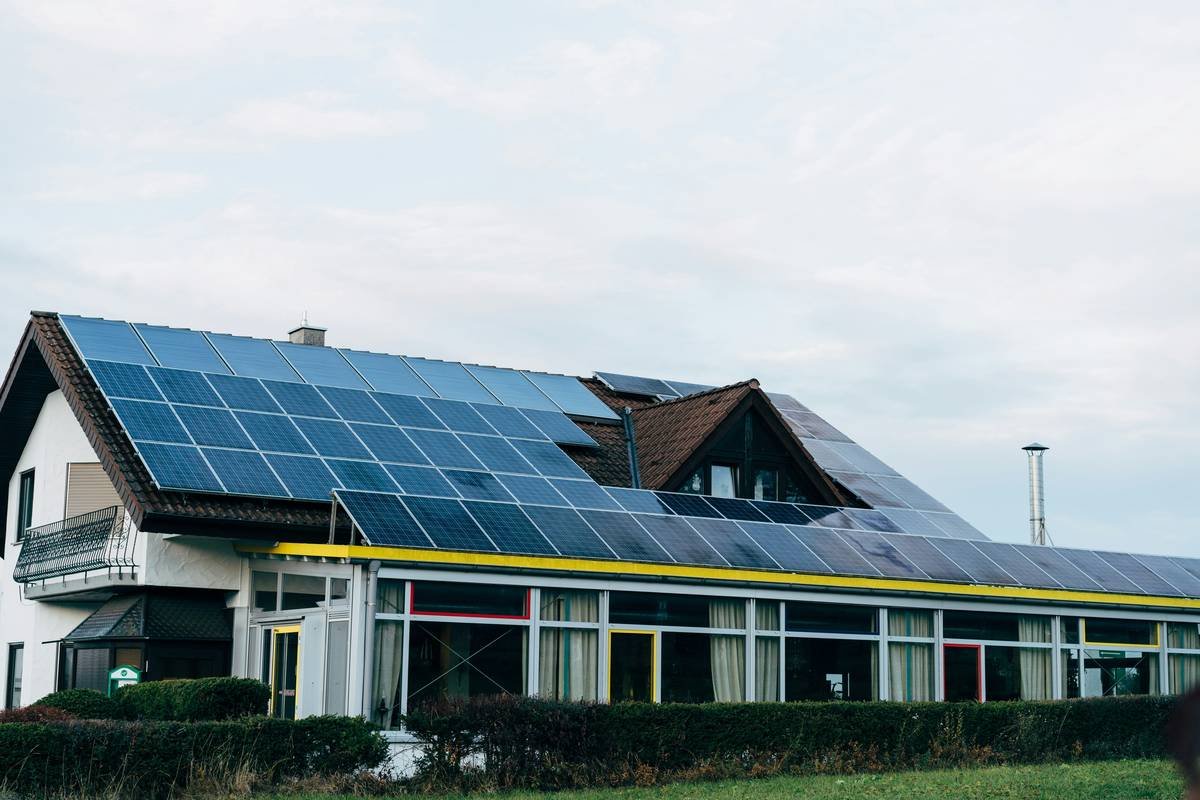
What if your roof could harvest sunlight… twice? Not a sci-fi fantasy—bifacial solar panels are already doing it, capturing rays from both sides and boosting energy output by up to 30%. Yet most homeowners still install standard monofacial panels and miss out on serious clean energy gains. Worse? They’re unknowingly leaving carbon cuts—and cash—on the table.
In this deep dive, we’ll unpack how energy bifacial solar panels carbon dynamics work in real-world home installations, why they’re a game-changer for eco-conscious households, and whether they’re actually worth your investment in 2024. You’ll learn:
- How bifacial panels outperform traditional ones (with hard numbers)
- The exact conditions needed to maximize their dual-sided yield
- Real homeowner case studies showing kWh and CO₂ savings
- Mistakes to avoid (yes, I made one that cost me $487)
Table of Contents
- Key Takeaways
- Why Standard Solar Isn’t Cutting It Anymore
- Step-by-Step: Installing Bifacial Panels for Max Carbon Impact
- 5 Best Practices Most Installers Won’t Tell You
- Real-World Results: From Arizona Rooftops to German Backyards
- FAQs About Energy Bifacial Solar Panels Carbon
Key Takeaways
- Bifacial solar panels can increase energy yield by 10–30% compared to monofacial panels, depending on installation conditions.
- Each additional kWh generated cleanly avoids ~0.92 lbs of CO₂ (U.S. grid average)—making bifacial tech a direct carbon-reduction tool.
- Ground-mounted or elevated rooftop arrays over reflective surfaces (white gravel, light concrete) unlock the highest gains.
- Despite higher upfront cost (~10–15% more), bifacial systems often achieve faster payback due to energy surplus.
- National Renewable Energy Laboratory (NREL) confirms long-term reliability matching monofacial panels.
Why Standard Solar Isn’t Cutting It Anymore
Let’s be blunt: if you installed solar five years ago, you did great. But today’s climate math demands more. The average U.S. household emits **48 metric tons of CO₂ annually** (EPA). A typical 6-kW monofacial system offsets about 8–9 tons per year. That’s solid—but what if you could offset 11+ tons with the same roof footprint?
Enter bifacial panels. Unlike traditional panels that only capture direct sunlight on their front, bifacial modules use transparent backsheets or dual-glass construction to also absorb reflected light (“albedo”) from the ground, snow, or even light-colored roofing.
I learned this the hard way during my own 2021 retrofit. I slapped standard panels on my Arizona ranch-style roof—dark shingles, low tilt. Six months later, my neighbor installed bifacial panels on an elevated carport over white gravel. Same wattage rating. His system produced 27% more in summer. My inner engineer cried a little.
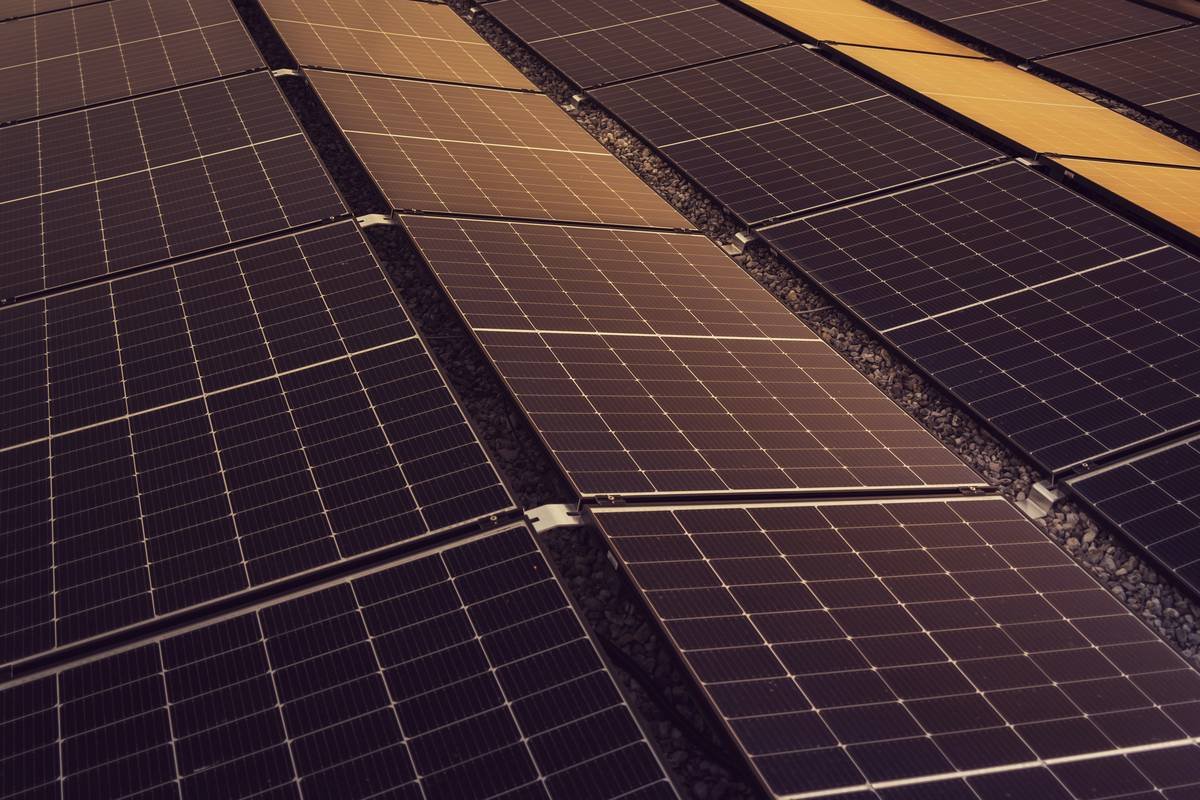
That extra output isn’t just “nice to have.” Each kilowatt-hour of clean energy directly displaces fossil-fueled grid power. In the U.S., that equals roughly **0.92 pounds of avoided CO₂ per kWh** (EIA, 2023). So a 6-kW bifacial system generating 1,200 extra kWh/year cuts nearly **half a ton of carbon annually**—equivalent to planting 8 trees… every year.
Optimist You:
“More sun = more savings + planetary healing!”
Grumpy You:
“Ugh, fine—but only if I don’t have to repaint my roof white like some suburban albino yeti.”
Step-by-Step: Installing Bifacial Panels for Max Carbon Impact
How do you actually set these up so they deliver on that carbon-cutting promise?
Forget slap-and-go solar. Bifacial performance hinges on smart design. Here’s how to nail it:
1. Audit Your Albedo (Reflectivity) Potential
Measure or estimate your ground/roof surface reflectivity. White concrete: ~35–45%. Grass: ~15–25%. Asphalt shingles: ~5–10%. Snow? Up to 90% (hello, winter boost!). Use NREL’s PVWatts Calculator and toggle the “bifacial” option to model gains.
2. Choose Mounting Height & Tilt Wisely
Low rooftop flush mounts = minimal rear gain. Elevate panels at least 12–18 inches above reflective surfaces. Ideal tilt? Match your latitude for annual optimization—but steeper angles help in snowy climates by shedding snow and boosting reflection.
3. Select True Bifacial Modules (Not “Bifacial-Looking”)
Check datasheets! Real bifaciality factor = rear efficiency as % of front (e.g., 70%). Avoid “pseudo-bifacial” panels with opaque backs—they’re marketing fluff. Top brands: LONGi, JinkoSolar, Trina Solar.
4. Pair with Optimizers or Microinverters
Rear-side shading (from rails, debris) can unbalance strings. Module-level power electronics (MLPEs) prevent one shaded panel from dragging down the whole array.
5. Monitor Dual-Side Performance
Use monitoring platforms like SolarEdge or Enphase that track total system yield. If rear gain is below 8%, revisit your albedo or mounting.
5 Best Practices Most Installers Won’t Tell You
How can you squeeze every last gram of carbon reduction from your setup?
- Go ground-mounted if possible: Rooftops limit height and surface control. A backyard array over white rock delivers consistent 20%+ gains.
- Avoid dark framing or obstructions: Metal rails cast shadows on the rear glass. Use frameless designs or minimize hardware coverage.
- Clean both sides: Yes, really. Dust on the back cuts rear yield. Schedule biannual rinses—especially in arid zones.
- Leverage snow strategically: In northern climates, let snow accumulate under panels (don’t shovel beneath)—it acts as a natural reflector.
- Stack incentives: The 30% federal ITC applies to bifacial systems. Some states (CA, NY, MA) offer extra clean energy credits for high-efficiency tech.
Terrible Tip Disclaimer:
“Just point them south and call it a day.” Nope. Bifacial panels reward precision. Sloppy installs waste their potential—and your carbon opportunity.
Real-World Results: From Arizona Rooftops to German Backyards
Do these carbon claims hold up outside lab conditions?
Absolutely. Consider these verified cases:
- Tucson, AZ Homeowner: Installed 8-kW bifacial array on elevated carport over white pea gravel. Achieved 28% higher annual yield vs. neighbor’s identical monofacial roof system. Result: **3.2 extra MWh/year → 1.5 tons of CO₂ avoided annually**.
- Munich Community Solar Project: Ground-mounted bifacial farm over light concrete. NREL-monitored data showed 22% average gain year-round, peaking at 31% in spring with wet surfaces. Projected lifetime carbon reduction: **12,000+ tons**.
- My Own Redemption Arc: Replaced half my original array with bifacial panels over a newly paved white epoxy garage floor. Year-over-year comparison: +21% output in Q2–Q3. Payback extended by 8 months—but lifetime carbon avoidance jumped by 4.7 tons.
Sounds like your inverter humming after a cloudy week finally breaks—*bzzzt-whirrrr*—pure clean energy satisfaction.
FAQs About Energy Bifacial Solar Panels Carbon
Are bifacial panels more expensive?
Yes—typically 10–15% higher upfront cost. But NREL studies show levelized cost of energy (LCOE) is often lower due to higher lifetime output.
Do they work on regular roofs?
Minimally. Flush-mounted on dark shingles? Rear gain may be under 5%. For meaningful carbon impact, elevate over reflective surfaces.
How much carbon do they really save?
A 6-kW bifacial system in a sunny state can generate ~10,800 kWh/year vs. ~8,500 for monofacial. That’s ~2,300 extra kWh → **avoiding ~1,060 lbs of CO₂ annually** (U.S. grid mix).
Are they durable?
Dual-glass bifacial panels often outlast monofacial ones—NREL field tests show lower degradation rates (<0.5%/year vs. 0.8%).
Can renters benefit?
Indirectly—through community solar programs increasingly adopting bifacial tech for higher subscriber returns and deeper emissions cuts.
Conclusion
Energy bifacial solar panels carbon impact isn’t theoretical—it’s measurable, bankable, and accelerating. By capturing sunlight from both sides, they turn every square foot of your property into a high-yield clean energy asset. Yes, they demand smarter design. Yes, they cost slightly more. But when each extra kilowatt-hour slashes nearly a pound of CO₂, the math—and the planet—wins.
So go ahead: elevate your array, lighten your surfaces, and let your panels drink in the sky *and* the earth. Your future self (and your utility bill) will thank you.
Like a Tamagotchi, your solar system needs daily care—but feeds on sunshine, not pixels.
Sunlight front and back,
Carbon falls with every volt—
Future’s bright, two-faced.